How are bulk personalized aprons customized?
Bulk personalized aprons are customized by combining a suitable apron style, fabric, color, sizing, and personalization method to create a consistent product for a group, business, event, or organization. Instead of ordering standard aprons and adding names or logos later, the customization can be planned as part of the production process. This allows buyers to choose how the aprons should look and what information they should display.
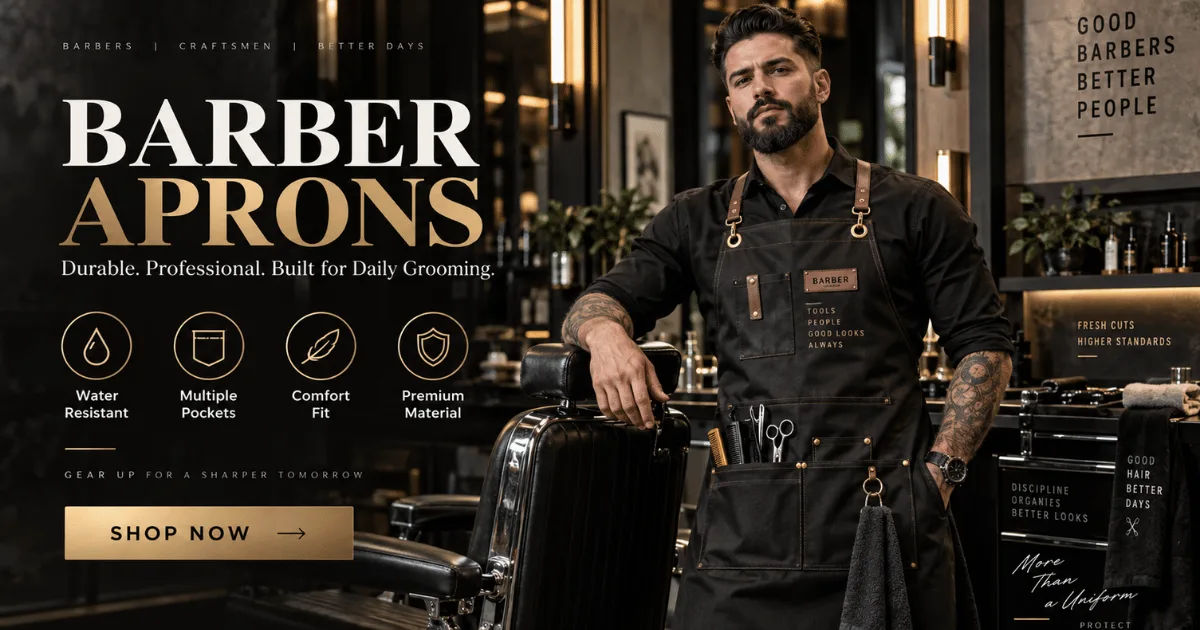
The exact process depends on the order quantity, artwork, fabric, number of colors, and personalization technique. A restaurant may want its logo embroidered on every apron, while a cooking school might need individual names printed on each one. A company could choose branded colors and a large back design, while an event organizer may want participant names and a special date.
Understanding how customization works makes it easier to choose the right apron and avoid expensive mistakes.
What Does Personalizing Aprons Mean?
Personalizing an apron means adding specific visual or identifying details that make it different from a plain, ready-made apron.
The customization may be simple, such as adding a company logo, or more detailed, such as combining a logo, employee name, job title, and brand colors.
For bulk personalized aprons orders, personalization is usually planned before production begins. The supplier receives the artwork, text, color requirements, quantities, and other specifications. These details are then reviewed before the final products are produced.
This is especially important when dozens or hundreds of aprons are being ordered. A small mistake repeated across a large order can become expensive.
What Parts of an Apron Can Be Customized?
Not every supplier offers the same options, but several parts of an apron can commonly be personalized.
Apron Color
Color is often one of the first customization decisions.
Businesses may select colors that match their existing branding. A bakery might choose soft, warm colors, while a restaurant could use black aprons with a contrasting logo.
Some suppliers offer a wide selection of fabric colors, while others provide only a limited standard range. The available options may also depend on the type of fabric and the order quantity.
Choosing a consistent color across the entire order gives a group a more professional appearance.
Logo and Artwork
A logo is one of the most common forms of apron customization.
The logo can usually be placed on the chest, pocket, lower front, or another visible area. Placement should be selected carefully because an attractive design can look awkward if it is too large or positioned incorrectly.
High-quality artwork is also important. Suppliers may request a high-resolution image or a specific file format so the design can be reproduced accurately.
Names and Text
Names can be added when the purpose of the aprons is to identify individual employees, students, chefs, or event participants.
For example, a restaurant could have the company logo on every apron while placing each employee's name underneath it.
Text personalization can also include a website, slogan, department, location, or event date.
Pockets and Other Features
Depending on the supplier, customization can extend beyond decoration.
Buyers may be able to select apron styles with different pocket arrangements, adjustable straps, waist ties, lengths, or other practical features.
These details matter because an apron is not only a branding item. It is also a working garment.
Which Customization Methods Are Used?
Different personalization techniques produce different appearances and levels of durability. The right method depends on the design and intended use.
Embroidery
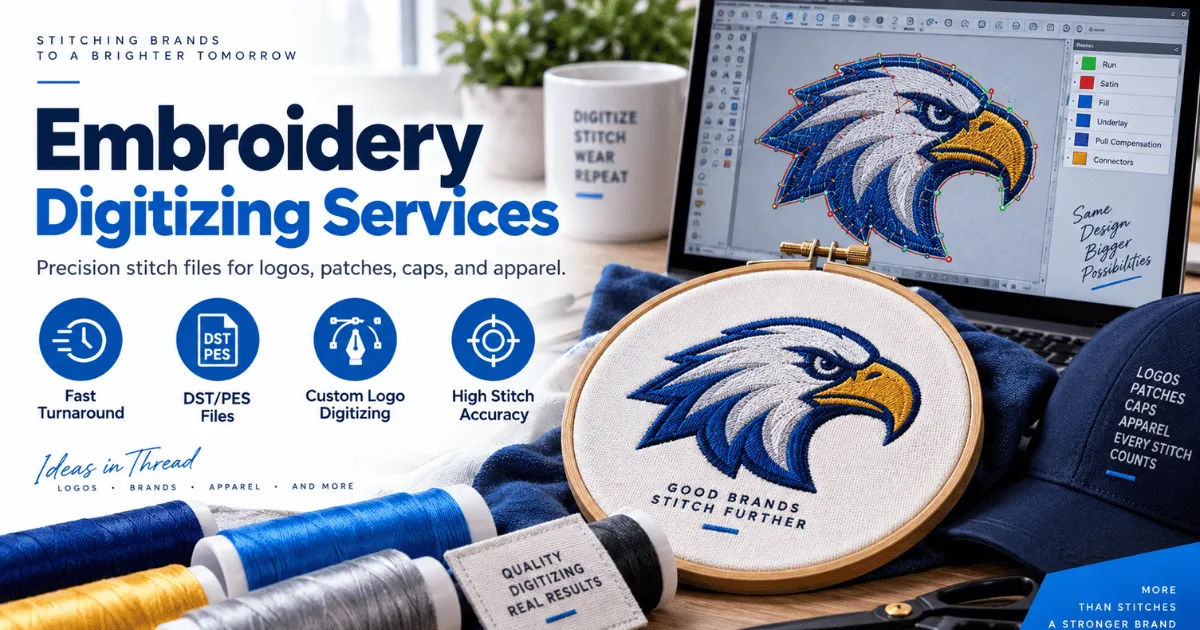
Embroidery uses thread to stitch the design directly onto the apron.
It is particularly popular for business logos because it creates a professional and textured appearance. Embroidery can also be durable when properly produced.
However, very small details and complicated artwork may not translate perfectly into thread. A supplier may simplify a logo before stitching it.
Embroidery is often a strong option for restaurants, hotels, catering businesses, and hospitality teams that want a polished appearance.
Screen Printing
Screen printing applies ink to the fabric through a prepared screen.
It works particularly well for larger designs and bold graphics. It can also be practical for bulk orders when the same artwork is being applied repeatedly.
The number of colors in the design can affect production requirements and pricing. Simple one- or two-color artwork is generally easier to reproduce than highly detailed artwork containing many colors.
Heat Transfer
Heat transfer involves applying a printed or cut design to the apron using heat and pressure.
It can be useful for detailed graphics, names, numbers, and designs requiring multiple colors.
This method is especially convenient when different aprons in the same order need different names or details.
The supplier should select a transfer material suitable for the apron fabric and expected washing conditions.
Direct-to-Garment or Similar Printing
Some suppliers use digital printing methods that allow detailed artwork to be printed directly onto suitable fabrics.
These methods can be useful when the design contains gradients, photographs, or several colors.
However, not every fabric or apron style is equally suitable for digital printing. The material should always be considered before selecting the decoration method.
How Does the Bulk Customization Process Work?
Although suppliers have different workflows, the process generally follows several stages.
1. Choosing the Apron
The first step is selecting the basic apron.
This includes considering fabric, color, style, length, pocket design, straps, and intended use.
For a professional kitchen, durability and easy cleaning may matter more than appearance. For a promotional event, visual branding may be the priority.
2. Deciding on the Personalization
Next, the buyer determines what should appear on the aprons.
This could be a logo, business name, slogan, employee names, or a combination of several elements.
It is helpful to decide exactly what information is needed before production begins.
3. Preparing the Artwork
The supplier may request a digital logo or artwork file.
The design is then checked for size, clarity, colors, and placement. If the artwork is unsuitable, the supplier may ask for a better file or recommend adjustments.
This stage should not be rushed.
A logo that looks excellent on a computer screen may require modifications when converted into embroidery or printed on fabric.
4. Selecting the Customization Technique
The supplier determines which decoration method is appropriate.
For example, a simple company logo may be ideal for embroidery, while a large colorful illustration could be better suited to printing.
The decision can depend on fabric, design complexity, quantity, budget, and expected use.
5. Approving a Sample or Proof
A proof or sample can show how the final design is expected to appear.
This gives the buyer an opportunity to check the logo size, text, colors, position, and overall appearance.
For a large order, approving the design before full production is especially valuable.
6. Producing the Order
Once the specifications are approved, production begins.
Bulk production allows the same setup to be used across many aprons, which can make customization more efficient than ordering individual pieces separately.
If each apron has different names, the supplier must also keep the personalization list organized to prevent mismatches.
7. Quality Checking
Before the order is shipped, the finished aprons should be checked for obvious issues.
The design should be correctly positioned, spelling should be accurate, and the personalization should match the supplied list.
For large orders, quality control is important because problems can otherwise affect many garments at once.
Why Is Artwork Preparation So Important?
Artwork is one of the easiest parts of a custom order to overlook.
A blurry logo can produce poor results regardless of how good the apron itself is. Small text can also become difficult to read after embroidery or printing.
For this reason, buyers should provide the cleanest version of their artwork available.
It is also worth checking whether the brand's official colors can be reproduced accurately on the chosen fabric. Fabric texture and color can influence how a printed or embroidered design appears.
Can Every Apron Have a Different Name?
Yes, many customization services can produce individual names within one bulk order, although the exact process varies between suppliers.
For example, a company might order 50 black aprons with the same embroidered logo but require 50 different employee names.
The supplier typically receives a name list and uses it to match each name with the appropriate apron.
This requires careful organization. The buyer should provide names with correct spelling and clearly indicate capitalization or formatting preferences.
Names should also be reviewed carefully before production because personalized garments can be difficult or costly to correct after customization.
How Does Fabric Affect Customization?
Fabric has a direct effect on the appearance and performance of personalization.
Cotton, canvas, polyester, denim, and blended fabrics can behave differently during printing or embroidery.
A thick canvas apron may provide an excellent surface for embroidery, while a lightweight fabric might require a different technique.
Fabric also affects how the apron feels during long periods of use.
If employees will wear the aprons for several hours each day, comfort, breathability, weight, and ease of washing should receive as much attention as the logo.
What Should Businesses Consider When Ordering in Bulk?
The goal should not simply be to find the cheapest possible apron.
A low-cost product may become poor value if it fades, shrinks, develops loose stitching, or becomes uncomfortable after repeated use.
Consider how frequently the aprons will be worn and washed.
A restaurant, for example, may need a much more durable product than a company purchasing aprons for a one-day promotional event.
It is also useful to order enough units to cover staff changes, replacements, or future expansion.
How Can You Avoid Common Customization Mistakes?
Several simple precautions can prevent problems.
First, check every spelling detail before approving production. This is especially important for names and slogans.
Second, confirm the exact logo placement and dimensions.
Third, ask which decoration method is recommended for the selected fabric.
Fourth, verify washing and care requirements.
Finally, request a proof or sample when the order is large or the design is complicated.
These steps may take a little extra time, but they can prevent much larger problems later.
Are Bulk Personalized Aprons Suitable for Different Industries?
Absolutely. Customized aprons are useful in many settings.
Restaurants and cafés can use them to create a consistent staff appearance.
Bakeries and catering companies can use branded aprons to reinforce their identity when interacting with customers.
Cooking schools can personalize aprons with student names.
Retail businesses may use them for demonstrations or promotional activities.
Hotels, hospitality companies, food festivals, trade shows, and corporate events can also use customized aprons as practical branded clothing.
The design should match the environment. A professional kitchen generally needs functionality first, while a promotional event may place greater emphasis on visibility and branding.
How Should Customized Aprons Be Maintained?
Proper care can extend the life of both the apron and its personalization.
Always follow the supplier's washing instructions. Excessive heat, harsh detergents, or unsuitable drying methods can affect some printed and embroidered designs.
Aprons used in food service should also be cleaned regularly because they can quickly accumulate food particles, oils, and stains.
If the design is printed, avoid treating it more aggressively than the manufacturer recommends.
For embroidered aprons, check periodically for loose threads or damage.
Good maintenance helps the customized design continue looking professional rather than worn out.
What Makes a Good Bulk Personalized Apron Order?
A successful order balances appearance, practicality, quality, and cost.
The design should be easy to recognize without making the apron uncomfortable or difficult to use.
The logo should be large enough to see but not so large that it interferes with pockets or movement.
The fabric should match the working environment.
The customization method should suit the artwork.
Most importantly, every specification should be confirmed before production.
A well-planned bulk order can create a consistent appearance across an entire team while also serving a practical purpose.
Conclusion
Understanding how bulk personalized aprons are customized makes the ordering process much easier. Customization is not simply a matter of putting a logo onto fabric. It involves choosing the right apron, selecting suitable colors and materials, preparing artwork, deciding where the design should appear, and choosing a decoration technique that fits both the design and intended use.
Embroidery can provide a professional, durable appearance, while screen printing and heat transfer can offer useful alternatives for different designs and personalization requirements. Individual names can also be incorporated into a larger order when identification is important.
For businesses and organizations, the best approach is to think about the aprons as both working garments and branding tools. A good-looking apron is valuable, but it should also be comfortable, washable, durable, and appropriate for the environment where it will be worn.
Before approving a large order, carefully check artwork, spelling, colors, placement, sizing, fabric, customization method, and care requirements. If possible, review a proof or sample before full production.
When these details are handled properly, bulk personalized aprons can provide a practical and professional way to give employees, students, event participants, or customers a consistent appearance while putting a recognizable brand directly in front of people.