
How can camel skin lamps style a living room?
A living room is more than a place to sit and relax. It reflects your personality, taste, and approach to interior design. While furniture, wall colors, and decorative accessories all contribute to the overall appearance, lighting often makes the biggest difference. camel skin lamps are an interesting choice for homeowners who want to introduce warmth, cultural character, and artistic beauty into their living spaces. Their distinctive shades, natural textures, and soft lighting can create an inviting atmosphere that feels both traditional and stylish.
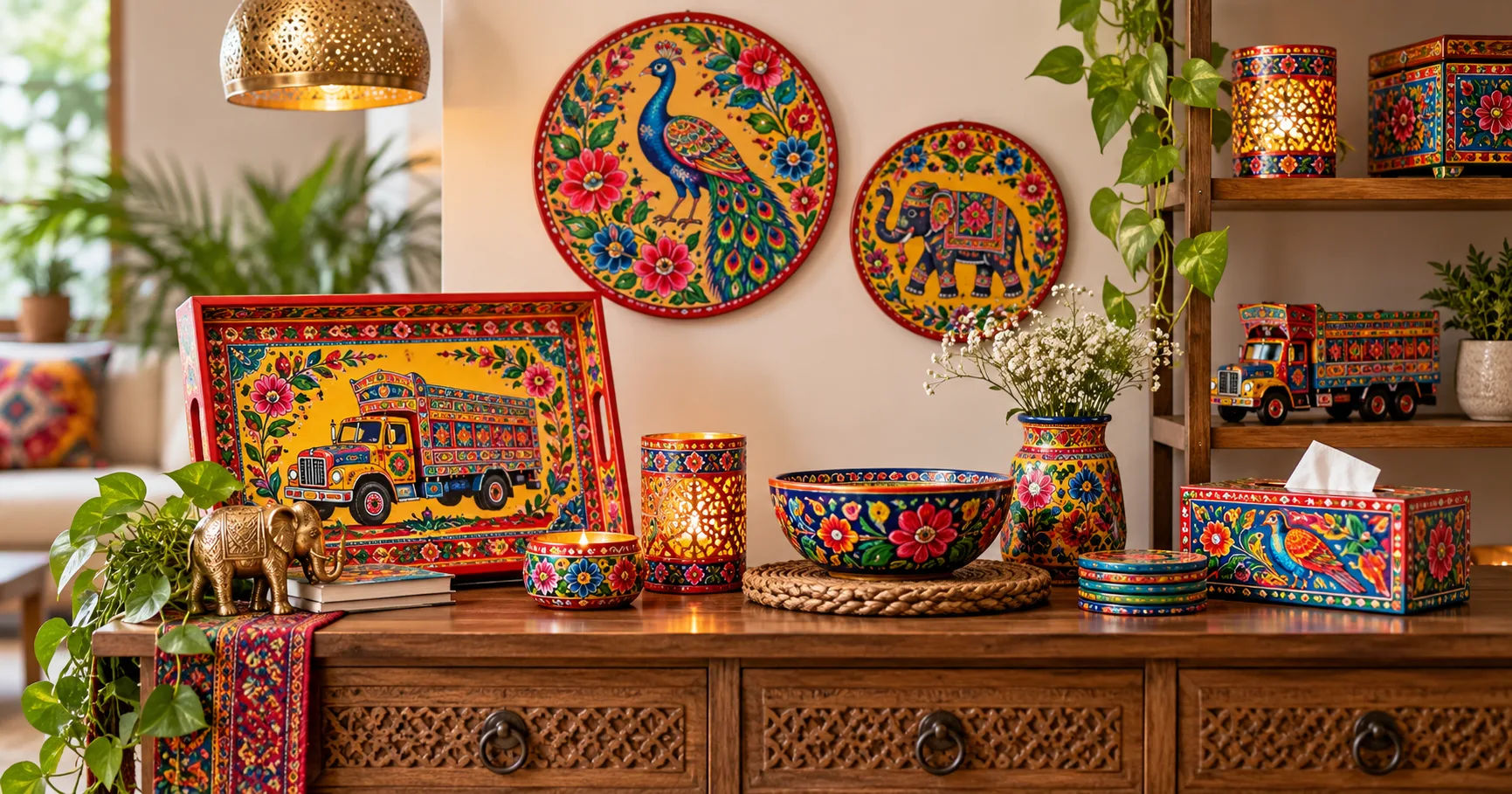
Whether your home follows a modern, minimalist, rustic, or Middle Eastern design theme, these lamps can become attractive decorative features. They bring a handcrafted appearance to the room while providing practical illumination for everyday activities. With the right placement, colors, and furniture combinations, they can transform an ordinary living room into a comfortable and visually appealing space.
What Are Camel Skin Lamps?
Camel skin lamps are decorative lighting pieces traditionally made using treated camel hide stretched over a frame. Artisans may decorate the surface with intricate patterns, geometric designs, floral artwork, or traditional motifs. When a light source shines through the translucent material, the designs become more visible and create a warm, distinctive glow.
These lamps are associated with traditional craftsmanship in parts of the Middle East and North Africa. Their appearance often reflects regional artistic traditions, making them suitable for interiors that celebrate handmade objects and cultural influences.
Modern versions may use different materials, including synthetic alternatives that imitate the appearance of natural hide. Buyers should check product descriptions carefully to understand the materials, construction, and care requirements before purchasing.
Why Are They Popular in Interior Design?
Their popularity comes from their ability to combine decorative detail with functional lighting. Unlike ordinary lamps with plain shades, these pieces often feature elaborate patterns that add visual interest even when the light is switched off.
They also offer a balance between rustic charm and artistic elegance. A carefully selected lamp can soften a room filled with hard surfaces, such as glass tables, metal furniture, and polished flooring.
1. Create a Warm and Welcoming Atmosphere
Lighting has a strong influence on how a living room feels. Bright, cool lighting can make a space look clean and energetic, while softer, warmer lighting often creates a more relaxed environment.
Camel skin lamps can produce beautiful ambient lighting when paired with a suitable bulb. The shade may diffuse the light and allow decorative patterns to appear across nearby walls and surfaces.
Choose Warm White Bulbs
Warm white bulbs, generally around 2700K to 3000K, are a good choice for creating a comfortable living room atmosphere. They work especially well in spaces designed for evening relaxation, family conversations, or entertaining guests.
Choose an appropriate bulb based on the lamp manufacturer's recommendations. Avoid bulbs that generate excessive heat, particularly when the shade is made from natural materials.
Use Lighting to Define Different Areas
A large living room may include a seating area, reading corner, and entertainment space. Instead of relying on one central ceiling light, use several lighting sources to create different moods.
Place a decorative lamp near a sofa or in a quiet corner to make that area feel more intimate. Combine it with ceiling lights or discreet wall lighting for better overall illumination.
2. Add Traditional and Cultural Character
One of the strongest features of these lamps is their connection to traditional craftsmanship. Their decorative surfaces can introduce a sense of history and cultural identity into a home.
They are especially suitable for interiors inspired by Moroccan, Arabian, Mediterranean, or eclectic design. However, they can also work in contemporary homes when used thoughtfully.
Combine Them With Cultural Decorative Elements
Consider pairing the lamp with patterned cushions, woven rugs, ceramic vases, carved wooden furniture, or handmade pottery. These accessories can reinforce the handcrafted theme without making the room feel overcrowded.
For example, a patterned lamp placed beside a wooden coffee table can create an appealing combination of texture and detail. A neutral rug and simple sofa can balance the more elaborate decoration.
The goal is to create a coordinated interior rather than fill every corner with traditional objects.
Avoid Overdecorating the Room
A common decorating mistake is combining too many patterns, colors, and statement pieces. When every object competes for attention, the living room can feel visually confusing.
Choose one or two prominent decorative elements and allow the remaining accessories to support them. A distinctive lamp can be the main attraction when the surrounding furniture and fabrics have simpler designs.
3. Complement Modern and Minimalist Interiors
Although these lamps have traditional roots, they do not need to be limited to traditional homes. Their detailed shades can provide an attractive contrast in modern interiors.
Minimalist rooms often feature clean lines, neutral colors, and uncluttered surfaces. Adding one decorative lamp introduces personality without requiring a major redesign.
Use Contrast to Create Visual Interest
Imagine a living room with a cream sofa, a black metal side table, pale walls, and a simple wooden floor. A patterned lamp can add texture and warmth to this restrained color scheme.
The contrast between the detailed shade and the simple furniture makes the lamp more noticeable. This approach is especially effective when the rest of the room has a limited number of decorative accessories.
Select a Suitable Shape and Size
The lamp should match the scale of the furniture around it. A tall floor lamp may suit an empty corner, while a smaller table lamp may work better beside a sofa.
Consider the shade's pattern, frame finish, and overall proportions. A lamp that is too large can overwhelm a small room, while a tiny lamp may disappear in a spacious living area.
4. Choose Colors That Match Your Living Room
Color coordination helps decorative lighting feel like a natural part of the interior. Many camel-hide-style lamps feature warm shades of brown, beige, cream, amber, or earthy red.
These colors can complement several popular living room palettes.
Neutral Color Schemes
Beige, ivory, gray, and cream provide a calm background for patterned lighting. In a neutral room, the lamp can become a focal point without creating a dramatic color clash.
Pair it with natural wood, linen curtains, and textured cushions to create a soft and balanced appearance.
Earthy and Natural Colors
Olive green, terracotta, sand, rust, and chocolate brown work well with rustic or nature-inspired interiors. These shades create a grounded atmosphere and complement materials such as wood, jute, stone, and woven fabrics.
For instance, a warm-toned lamp beside an olive-green sofa can introduce visual depth while maintaining a coordinated look.
Bold and Contrasting Colors
If your living room includes navy blue, charcoal, or deep green furniture, a lighter decorative lamp may stand out beautifully. The contrast helps separate the lamp visually from its surroundings.
Keep other accents consistent with the overall color scheme so the room feels intentional rather than random.
5. Use Camel Skin Lamps as a Focal Point
A focal point is the feature that naturally attracts attention when someone enters a room. It might be a fireplace, artwork, statement sofa, or distinctive lighting fixture.
Decorative lamps can perform this role because their patterns become especially noticeable when illuminated.
Place the Lamp Where It Can Be Seen
A side table beside the main sofa is often a practical location for a table lamp. A floor lamp may work well near an armchair, beside a console, or in an otherwise empty corner.
Avoid hiding the lamp behind large furniture or placing it among too many competing accessories. Give it enough surrounding space to remain visually distinct.
Coordinate With Artwork and Accessories
If the lamp has an intricate geometric pattern, consider artwork with complementary shapes or colors. However, avoid matching every design exactly.
A mixture of related textures often looks more natural than a room where every object follows the same pattern. The lamp should connect with the room's design rather than dictate every detail.
6. Improve Small Living Rooms With Strategic Lighting
Small living rooms require careful decisions about furniture, decoration, and illumination. The right lamp can make a compact space feel more inviting without occupying much floor area.
Choose Compact Designs
A table lamp can provide decorative lighting without taking up valuable walking space. Place it on a side table, shelf, or console where it will not interfere with everyday movement.
If you prefer a floor lamp, select a slim design with a stable base. Avoid bulky models that make the room feel crowded.
Use Light to Create Depth
A lamp placed near a wall can create gentle shadows and highlight decorative patterns. This adds visual depth, particularly when the walls have a simple finish.
Combine the lamp with a mirror or reflective accessory if appropriate. Reflected light can help distribute brightness, although the effect depends on the lamp's position and output.
Do not rely on decorative lighting alone. A comfortable living room still needs sufficient general illumination for cleaning, reading, and other everyday tasks.
7. Combine Different Textures for a Richer Interior
Texture is an important part of interior design because it makes a room feel layered and interesting. Even when a space uses a limited color palette, contrasting materials can prevent it from looking flat.
Camel skin lamps can complement both natural and modern finishes.
Pair Them With Wood
Wooden coffee tables, sideboards, shelves, and chair frames bring warmth to a living room. Their natural grain complements the organic appearance of traditional lamps.
Light oak can create a relaxed, contemporary atmosphere, while darker wood often supports a richer and more traditional design.
Add Soft Fabrics
Velvet cushions, cotton throws, linen curtains, and woven rugs can balance the firm structure of a lamp. These softer materials make the room feel more comfortable and welcoming.
For a coordinated result, repeat one or two colors from the lamp in nearby cushions or decorative objects.
Introduce Metal Accents
Brass, bronze, and black metal accessories can work well with patterned lighting. A metal side table or decorative tray may connect the lamp's frame with other details in the room.
The key is moderation. Too many different finishes can make the design appear inconsistent.
8. Create a Relaxing Reading or Conversation Corner
A living room should support different activities, from reading and relaxing to talking with friends and family. A decorative lamp can help make a small corner feel purposeful.
Place an armchair near a side table and position the lamp where it provides comfortable light. Add a cushion, a small rug, and a nearby bookshelf if space allows.
Balance Beauty With Practical Lighting
Ambient lighting creates atmosphere, but it may not provide enough focused illumination for reading. If the shade filters much of the light, use a separate reading lamp or adjustable light source.
Consider the direction of the light and avoid glare. A well-planned corner should feel comfortable to use, not merely attractive in photographs.
9. Choose the Right Lamp for Your Budget
Decorative lamps are available in different sizes, designs, and construction qualities. Prices depend on craftsmanship, materials, dimensions, and whether the item is handmade or mass-produced.
Understand Material and Craftsmanship
Before buying, check whether the shade uses genuine camel hide, another natural material, or a synthetic substitute. Product descriptions sometimes use traditional design terms broadly, so clear material information matters.
Examine the stitching, frame stability, finish, and quality of the decorative pattern. If shopping online, review photographs, measurements, return policies, and customer feedback.
Consider Long-Term Value
A low-priced lamp may be attractive, but poor construction can lead to damage or replacement costs. A durable frame, reliable electrical components, and an easy-to-maintain shade can offer better long-term value.
You do not need to buy several lamps at once. One carefully selected piece can have a stronger design impact than multiple accessories that do not coordinate.
10. Maintain Your Lamp Properly
Good maintenance helps preserve the appearance and function of decorative lighting. The appropriate care method depends on the shade material and the manufacturer's instructions.
Clean the Shade Carefully
Use a soft, dry cloth or a gentle brush to remove surface dust when the lamp is switched off and cool. Avoid soaking natural hide or applying household cleaning chemicals unless the manufacturer specifically approves them.
Keep the lamp away from excessive moisture, direct sunlight, and sources of intense heat. These conditions may cause some natural materials to fade, dry out, or become damaged.
Follow Electrical Safety Guidelines
Inspect the cable, plug, bulb holder, and frame periodically. Stop using the lamp if you notice damaged wiring, a loose connection, unusual smells, or signs of overheating.
Use the recommended bulb type and wattage. LED bulbs are often a practical choice because they generally produce less heat than traditional incandescent bulbs while using less electricity.
Keep the lamp on a stable surface where it cannot easily fall, and position electrical cords away from walkways.
11. Common Decorating Mistakes to Avoid
Even an attractive lamp may look out of place if its surroundings are poorly planned. Avoid these common mistakes when incorporating decorative lighting into your living room.
Choosing the Wrong Scale
A large lamp can dominate a small side table, while a very small design may look insignificant beside oversized furniture. Check the lamp's dimensions and compare them with the furniture before purchasing.
Ignoring the Existing Color Palette
A lamp does not need to match every item in the room, but its colors should relate to the wider design. Look for a connection through the flooring, curtains, cushions, furniture, or artwork.
Using Too Much Decorative Lighting
Several patterned lamps can compete for attention, especially in a small space. Begin with one statement piece and add other light sources only when they serve a clear purpose.
Prioritizing Appearance Over Safety
A beautiful shade is not worth using if the electrical components are damaged or the material is unsuitable for the bulb. Check product safety information and follow the manufacturer's installation and maintenance instructions.
Conclusion
Camel skin lamps can bring warmth, artistic detail, and cultural character to a living room when they are selected and positioned thoughtfully. Their distinctive patterns make them useful as decorative focal points, while their soft illumination can help create a comfortable atmosphere for relaxation and conversation.
The most successful designs balance these lamps with suitable furniture, coordinated colors, and complementary textures. Neutral interiors can benefit from their decorative patterns, while traditional and rustic rooms can use them to strengthen an established theme. Even modern minimalist spaces can accommodate a carefully chosen lamp when the surrounding decoration remains simple.
Before purchasing, consider the room's size, lighting requirements, material preferences, and budget. Check the product's construction, follow appropriate care instructions, and prioritize electrical safety. Most importantly, avoid overcrowding the room with competing decorative objects.
With a thoughtful approach, a single well-placed lamp can make a living room feel more personal, inviting, and visually complete. The aim is not simply to add another light source, but to choose a piece that supports the room's character while remaining practical for everyday living.