
Can aesthetic products pakistan be layered?
Skincare has become an important part of everyday self-care, helping people maintain healthy, comfortable, and radiant skin. However, choosing the right products is only one part of building an effective skincare routine. Understanding how to apply different products together is equally important. Many people wonder whether combining multiple skincare formulas can improve their results or cause irritation.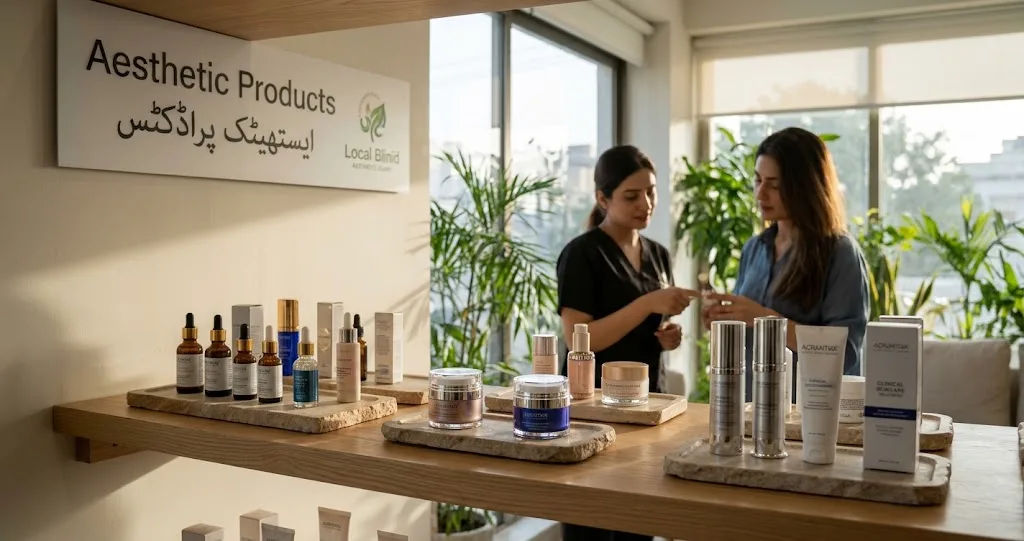
When building a routine, aesthetic products pakistan offers a useful starting point for exploring skincare essentials suited to different skin types, concerns, and daily habits. From cleansers and toners to serums, moisturizers, and sunscreens, each product has a particular purpose. Learning how these products work together can help you create a routine that supports your skin without overwhelming it. The key is to understand ingredients, application order, and your skin's individual needs.
The good news is that most skincare products can be layered when they are compatible and applied correctly. However, using several active ingredients at once may increase the risk of redness, dryness, breakouts, or sensitivity. A thoughtful approach helps you enjoy the benefits of different products while keeping your routine simple and manageable.
Skincare Layering
Skincare layering means applying multiple products in a particular order so that each one can perform its intended function. Rather than applying everything randomly, you arrange products according to their texture, ingredients, and purpose.
For example, a typical morning routine might include a gentle cleanser, a hydrating serum, a moisturizer, and sunscreen. Each step contributes something different to the overall routine.
Cleansers remove dirt, oil, and other impurities. Serums deliver targeted ingredients, moisturizers help maintain hydration, and sunscreen protects the skin from ultraviolet radiation.
The purpose of layering is not to use as many products as possible. Instead, it is to combine a few suitable products that work well together.
Why Does Product Order Matter?
Product order can influence how comfortably your skin tolerates a routine. Applying lightweight products before thicker creams is a useful general guideline because lighter formulas often spread more easily before heavier products are applied.
For example, a watery hydrating serum is usually applied before a rich moisturizer. The moisturizer then helps reduce moisture loss and supports the skin barrier.
Sunscreen is generally the final step of a morning skincare routine, applied before makeup. It needs to form an even protective layer on the skin.
However, texture is not the only consideration. Product instructions, ingredient compatibility, and the specific formulation also matter. Some products have special application requirements, so their directions should take priority over general layering rules.
Can Every Skincare Product Be Combined?
No. Although many products can be layered, some combinations may increase irritation or make a routine unnecessarily complicated.
Using several products with similar ingredients may not provide additional benefits. Combining multiple exfoliants or introducing several strong active ingredients simultaneously can also make it difficult to identify the cause of irritation.
A better strategy is to understand what each product does before adding it to your routine.
If your skin is already irritated, simplifying your routine may be more helpful than introducing another serum or treatment.
Which Aesthetic Products Pakistan Can Be Layered?
aesthetic products pakistan skincare products serve different purposes. Understanding their roles makes it easier to determine which products can be used together.
Cleansers and Hydrating Toners
Cleansers are generally the first step in a skincare routine. They remove sweat, excess oil, sunscreen, and everyday impurities.
After cleansing, you may apply a hydrating toner if your skin benefits from additional moisture. Ingredients such as glycerin and hyaluronic acid can help attract and retain water in the skin.
Most gentle cleansers and hydrating toners can be used together without difficulty.
However, not every toner is designed simply to hydrate. Some contain exfoliating acids, alcohol, or other active ingredients that may irritate sensitive skin.
Read the label carefully to understand whether a toner is intended for hydration, exfoliation, or another purpose.
Serums and Moisturizers
Serums are concentrated skincare formulations designed to address particular concerns, such as dryness, uneven skin tone, or visible signs of aging.
Moisturizers help maintain hydration and support the skin's protective barrier.
These products commonly work well together. For example, you might apply a hydrating serum before a moisturizer to help your skin feel comfortable throughout the day.
A serum containing niacinamide may also fit into a routine with a suitable moisturizer. Niacinamide is often used to support the skin barrier and improve the appearance of uneven skin tone.
The important point is to introduce products gradually and observe how your skin responds.
If a combination causes persistent burning, redness, or itching, stop using the suspected product and reassess your routine.
Moisturizers and Sunscreens
Moisturizers and sunscreens are generally compatible and play different roles.
A moisturizer helps keep the skin hydrated, while sunscreen protects it against ultraviolet radiation.
For most morning routines, apply moisturizer first and allow it to settle before applying sunscreen according to the sunscreen's directions.
Choose a broad-spectrum sunscreen with SPF 30 or higher for everyday use. Apply an adequate amount and reapply approximately every two hours when outdoors, as well as after swimming or heavy sweating, following the product instructions.
Do not mix sunscreen directly into your moisturizer. Doing so can interfere with the sunscreen's ability to form an even protective layer.
How to Layer Skincare Products Correctly
Creating an effective routine does not require complicated techniques. A consistent order and careful product selection are usually enough.
Step 1: Start With a Gentle Cleanser
Begin with a cleanser suited to your skin type.
People with oily skin may prefer a lightweight gel cleanser, while those with dry or sensitive skin may find a gentle cream cleanser more comfortable.
Use lukewarm water rather than very hot water, which can contribute to dryness and irritation.
Avoid scrubbing aggressively. Gentle cleansing helps remove impurities without unnecessarily disturbing the skin barrier.
Step 2: Apply Toner if Needed
A toner is an optional step rather than a requirement.
If you enjoy using one, select a formula that addresses your skin's needs. Hydrating toners can be useful for dryness, while exfoliating toners require more careful use.
Apply the toner according to its directions and allow it to settle before continuing.
If your cleanser already leaves your skin comfortable, you may not need a toner at all.
Step 3: Use Your Serum
Apply your chosen serum after cleansing and toning, if you use a toner.
Use the amount recommended on the packaging. Applying more product does not necessarily improve results and may increase irritation.
If you use a serum containing an active ingredient, check whether it is suitable for daily application.
Some formulas are designed for once-daily use, while others may be used less frequently. Follow the instructions rather than assuming every serum belongs in both your morning and evening routines.
Step 4: Apply Moisturizer
Moisturizer helps reduce water loss and keeps the skin feeling soft.
Choose a product based on your skin type, climate, and personal preferences.
Lightweight lotions or gels may feel comfortable on oily skin. Creams with richer textures may be more suitable for dry skin.
People with sensitive skin often benefit from fragrance-free products containing ingredients such as glycerin or ceramides.
Step 5: Finish With Sunscreen in the Morning
Sunscreen is an essential part of a daytime routine.
Apply it evenly to exposed skin, including the face, ears, and neck. Allow it to settle according to the product directions before applying makeup.
Remember that layering several skincare products does not replace sun protection.
If you use products that increase sensitivity to sunlight, sunscreen becomes especially important.
Step 6: Adjust Your Evening Routine
Your evening routine can focus on cleansing, hydration, and targeted treatments.
Remove makeup and sunscreen thoroughly, then apply any appropriate treatment products followed by moisturizer.
Some active ingredients are best introduced at night, although the correct timing depends on the formulation.
You do not need to repeat every morning step. A simple nighttime routine can be effective when it addresses your skin's needs without causing irritation.
Ingredient Combinations: What Works and What Requires Care?
Ingredients are often more important than the number of products in your routine. Two products may be compatible even if their labels look different, while two popular ingredients may be difficult for some people to tolerate together.
Niacinamide and Hyaluronic Acid
Niacinamide and hyaluronic acid are commonly used together.
Hyaluronic acid helps attract moisture, while niacinamide can support the skin barrier and improve the appearance of uneven skin tone.
This combination is generally suitable for many skin types.
For example, someone experiencing dehydration and excess oil may benefit from a hydrating serum followed by a niacinamide product and a suitable moisturizer.
However, individual formulations still matter. If either product causes irritation, reconsider the combination.
Vitamin C and Niacinamide
Vitamin C and niacinamide can generally be used in the same skincare routine.
Both ingredients may support a more even-looking complexion, although their functions and formulations differ.
There is a common misconception that these ingredients must never be combined. Modern skincare formulations can accommodate both ingredients, and many people tolerate them well.
Nevertheless, sensitive skin may respond better when a new product is introduced individually.
If you experience irritation, consider using one ingredient in the morning and the other in the evening, provided their instructions allow it.
Retinol and Exfoliating Acids
Retinol and exfoliating acids require greater caution.
Retinol is used to address concerns such as acne and visible signs of aging. Exfoliating acids, including glycolic acid and salicylic acid, help remove dead skin cells or unclog pores, depending on the formulation.
Using both treatments together may increase dryness, peeling, redness, and irritation, particularly when your skin is not accustomed to them.
Beginners should generally avoid introducing both at once.
A more cautious approach is to start with one treatment, use it according to its instructions, and assess tolerance before considering another.
If you eventually use both, alternating evenings may be more comfortable than applying them together. However, the appropriate approach depends on the product strengths, your skin condition, and professional guidance.
Benzoyl Peroxide and Other Active Ingredients
Benzoyl peroxide is commonly used in acne treatments. It can cause dryness and irritation, particularly when combined with other potentially irritating products.
Some retinoids and benzoyl peroxide formulations may be used together under appropriate guidance, but compatibility depends on the specific ingredients and formulation.
Do not assume that every acne treatment should be combined simply because it targets breakouts.
If you have persistent acne, a dermatologist can help determine which ingredients are appropriate and how frequently to use them.
Avoid Overlapping Exfoliants
Using several exfoliating products in the same routine can increase the likelihood of irritation.
For example, combining an exfoliating cleanser, an acid toner, and a strong exfoliating serum may be excessive for many people.
Signs of over-exfoliation include unusual sensitivity, persistent redness, tightness, and flaking.
If these symptoms appear, reduce or stop exfoliating products and focus on gentle cleansing, moisturizing, and sun protection. Seek professional advice if symptoms persist or become severe.
Choosing Products for Different Skin Types
A good layering routine should reflect your skin's characteristics rather than follow every skincare trend.
Layering Products for Oily Skin
Oily skin produces more sebum, which can contribute to shine and clogged pores.
A gentle cleanser, lightweight moisturizer, and suitable sunscreen provide a useful foundation.
Niacinamide may be helpful for some people who want to address excess oil and uneven-looking skin.
Avoid assuming that oily skin does not need moisturizer. Dehydration and oiliness can occur together, so skipping moisturizer may leave your skin uncomfortable.
Introduce exfoliating or acne-focused products carefully rather than combining several treatments immediately.
Layering Products for Dry Skin
Dry skin often benefits from products that support hydration and reduce moisture loss.
A gentle cleanser, hydrating serum, and richer moisturizer can work well together.
Look for ingredients such as glycerin, hyaluronic acid, and ceramides. These can help attract moisture or support the skin barrier.
Avoid excessive exfoliation and harsh cleansers, especially when your skin feels tight or flaky.
Applying moisturizer while the skin is slightly damp may also help maintain hydration.
Layering Products for Sensitive Skin
Sensitive skin often responds best to a simple routine with a limited number of ingredients.
Choose gentle, fragrance-free products when possible. Introduce one new product at a time so you can identify any reaction.
Patch testing can help identify potential irritation before you apply a new product more widely. However, a patch test cannot guarantee that a product will never cause a reaction.
Avoid introducing several strong treatments together, especially if you already experience redness or burning.
If you develop persistent irritation, swelling, or a rash, stop using the suspected product and seek medical advice when appropriate.
Layering Products for Combination Skin
Combination skin may be oily in some areas and dry in others.
A balanced routine can include a gentle cleanser, a lightweight hydrating product, moisturizer, and sunscreen.
You may also adjust the amount of moisturizer applied to different areas. For example, drier cheeks may benefit from more moisturizer than an oily forehead.
Targeted treatments can be introduced where needed, provided they are appropriate for your skin and do not cause irritation.
Common Mistakes to Avoid When Layering Skincare
Even suitable products can become problematic when used incorrectly.
Using Too Many Products at Once
A long routine is not automatically more effective.
Combining several serums, exfoliants, and treatments may expose your skin to unnecessary ingredients.
Start with the essentials and add products only when you have a clear reason to use them.
Ignoring Product Instructions
Different formulations have different requirements.
Some products should not be used on broken or irritated skin. Others have specific instructions about frequency, application order, or contact time.
Read the packaging before combining products, especially when using concentrated active ingredients.
Introducing Several New Products Together
If you start using four new products on the same day and develop irritation, identifying the cause becomes difficult.
Introduce new products individually, allowing enough time to observe your skin's response.
This approach also helps you determine whether a product provides meaningful benefits.
Expecting Immediate Results
Skincare improvements usually take time.
Hydration may improve relatively quickly, but concerns such as acne, uneven pigmentation, and visible signs of aging often require consistent use over several weeks or longer.
Avoid increasing product amounts or application frequency simply because results are not immediate.
Choosing Products Without Checking Their Ingredients
Marketing claims do not always explain how a product will perform for your skin.
Read ingredient lists, follow usage instructions, and consider whether a product addresses a specific concern.
When comparing aesthetic products pakistan, prioritize appropriate formulations, clear labeling, suitable ingredients, and reliable sourcing rather than choosing products solely because they are popular.
How to Build a Simple Layering Routine
If you are new to skincare, begin with a small number of products.
A simple morning routine might include:
-
A gentle cleanser.
-
An optional hydrating serum.
-
A moisturizer suited to your skin type.
-
A broad-spectrum sunscreen with SPF 30 or higher.
Your evening routine might include:
-
A cleanser that removes daily impurities and sunscreen.
-
One suitable treatment product, if needed.
-
A moisturizer.
This basic structure allows you to understand how your skin responds before adding more steps.
If you have a particular concern, such as acne, persistent dryness, or pigmentation, select a treatment that addresses that concern rather than purchasing several products without a clear plan.
When using aesthetic products pakistan, consider your local climate as well. Hot weather and humidity may make lightweight formulations more comfortable, while air conditioning can contribute to dryness for some people.
Your routine should remain flexible. Skin can change with the seasons, age, environmental exposure, and other factors.
Safety Tips for Layering Skincare Products
Safe product use is just as important as choosing the correct application order.
First, check the expiry date and follow the manufacturer's storage instructions. Avoid products that have developed an unusual smell, texture, or color.
Second, purchase products from reliable sources. Authenticity and appropriate storage matter because poorly stored or counterfeit skincare products may present additional risks.
Third, introduce active ingredients gradually. Products containing retinoids, exfoliating acids, or acne treatments may require particular care.
If you are pregnant, planning pregnancy, or breastfeeding, consult a qualified healthcare professional about suitable skincare ingredients. In particular, topical retinoids are generally avoided during pregnancy as a precaution.
Finally, do not use skincare products on damaged skin unless their instructions or a healthcare professional specifically indicate that doing so is appropriate.
If a product causes severe burning, significant swelling, blistering, or breathing difficulties, seek urgent medical attention as appropriate.
For ongoing skin problems, a dermatologist can recommend a routine tailored to your needs.
Conclusion
Skincare layering can be an effective way to combine products that address different concerns, provided you understand their ingredients, application order, and potential interactions. The goal is to build a routine that supports healthy skin rather than overwhelm it with unnecessary treatments.
Most people can begin with a gentle cleanser, a suitable moisturizer, and sunscreen. Hydrating serums and targeted treatments can be added when they serve a clear purpose. Lightweight products generally come before thicker formulas, while sunscreen should be the final step of a typical morning skincare routine.
Ingredient compatibility deserves particular attention. Niacinamide and hyaluronic acid can generally be used together, while retinol and exfoliating acids may require more careful scheduling. Introducing products individually makes it easier to identify irritation and determine what genuinely works for your skin.
Choosing aesthetic products pakistan should involve more than following trends or buying a large collection of skincare items. Consider your skin type, climate, specific concerns, product instructions, and the reliability of the seller. A carefully selected routine can be both simple and effective.
Remember that healthy skincare habits depend on consistency, patience, and sensible product choices. Start with the basics, observe how your skin responds, and make gradual adjustments when necessary. With the right approach, layering can help you create a practical routine that supports hydration, comfort, and long-term skin health.