
Can milk powder for weight gain help low appetite?
Gaining weight can be challenging for people who struggle with a low appetite. Some individuals feel full quickly, skip meals because they do not feel hungry, or find it difficult to eat enough food throughout the day. When regular meals do not provide sufficient calories and nutrients, adding nutritious drinks and calorie-rich foods can be a practical way to support healthy weight gain. Milk powder is one option that can make this process easier.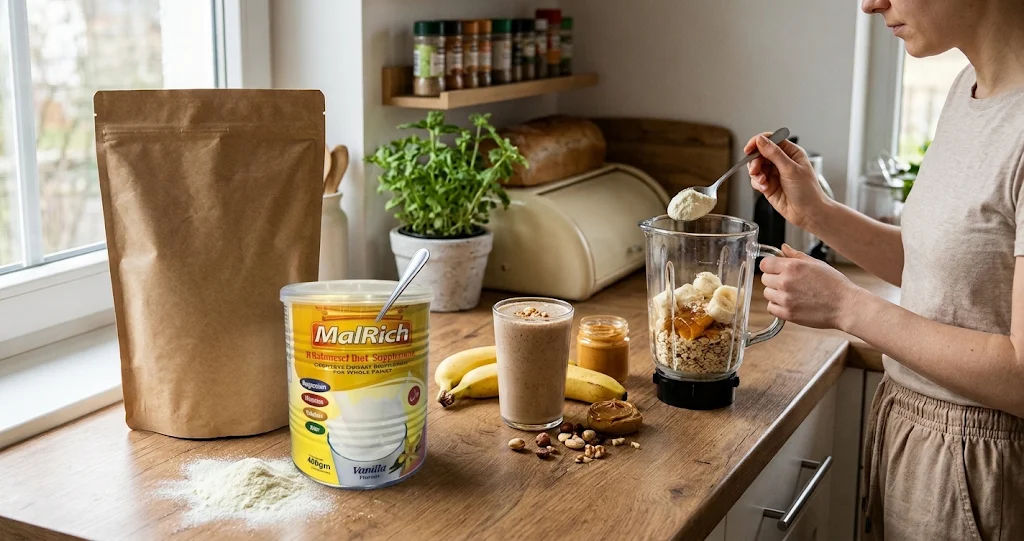
Products such as mallrich milk may be considered by people looking for convenient ways to increase their daily milk intake. Milk powder can provide calories, protein, carbohydrates, and important minerals, depending on its formulation. When prepared correctly and included in a balanced diet, it can help people increase their nutritional intake without requiring them to eat large meals.
However, milk powder is not an instant solution for poor appetite. It works best when combined with suitable eating habits, regular meals, and an understanding of why appetite is low. Choosing the right product and consuming appropriate portions are also important.
This comprehensive guide explains how milk powder can help people with low appetite, how it supports weight gain, how to include it in everyday meals, and what precautions to consider.
Low Appetite and Its Effects on Weight
Low appetite means having less interest in eating than usual. It can make it difficult to consume enough food to meet the body's nutritional and energy requirements.
Some people naturally have smaller appetites, while others experience appetite changes because of lifestyle habits, stress, illness, or digestive problems.
When someone regularly consumes fewer calories than their body needs, they may gradually lose weight or struggle to maintain a healthy weight.
Common Reasons for Low Appetite
Several factors can contribute to reduced hunger.
-
Stress and anxiety: Emotional pressure can affect digestion and reduce interest in food.
-
Irregular eating schedules: Skipping meals may disrupt normal eating habits.
-
Digestive discomfort: Bloating, constipation, and nausea can make eating unpleasant.
-
Illness: Certain infections and long-term health conditions can reduce appetite.
-
Medication: Some medicines can affect hunger or cause nausea.
-
Busy lifestyles: Work, studies, and daily responsibilities may cause people to forget meals.
Identifying the reason behind low appetite is important. If someone experiences unexplained weight loss, persistent appetite changes, or ongoing weakness, they should consult a healthcare professional.
How Low Appetite Affects Weight Gain
Healthy weight gain generally requires consuming more calories than the body uses.
People with low appetite may find this difficult because they feel satisfied after eating small amounts. Even when they understand the importance of nutrition, finishing larger meals can feel uncomfortable.
This is where calorie-containing beverages can be useful. They allow individuals to consume additional nutrients without relying entirely on large portions of solid food.
Can Milk Powder for Weight Gain Help Low Appetite?
mallrich milk powder can help people with low appetite increase their daily calorie and nutrient intake. Its usefulness depends on the nutritional composition, serving size, and how it fits into an individual's overall diet.
Milk powder is made by removing most of the water from liquid milk. This creates a concentrated product that can be stored, measured, and mixed with water when needed.
Depending on whether it is whole milk powder, skimmed milk powder, or a fortified milk-based product, it can provide different amounts of energy, protein, fat, vitamins, and minerals.
Why Milk Powder Can Be Helpful
One of its main advantages is convenience.
Someone who struggles to eat a full breakfast might find it easier to drink a glass of prepared milk alongside a small meal. This can provide additional nutrients without requiring another large serving of food.
Milk powder can also be mixed into different recipes, making it easier to increase the nutritional value of familiar meals.
For example, it can be added to:
-
Smoothies and milkshakes.
-
Oatmeal and breakfast cereals.
-
Homemade puddings.
-
Pancake and baking mixtures.
-
Milk-based desserts.
-
Mashed potatoes and creamy soups.
These options can help people increase their calorie intake gradually.
Does It Increase Hunger?
Milk powder does not necessarily stimulate hunger directly.
Its main benefit is providing nutrients and calories in a convenient form. Some people may find that drinking milk is easier than eating solid food when their appetite is poor.
However, drinking a large quantity immediately before meals may create fullness and reduce the desire to eat.
For this reason, timing and portion sizes matter. Consuming milk between meals may be more suitable for individuals who want to maintain their regular eating schedule.
Nutritional Benefits of Milk Powder for Weight Gain
Milk powder can contribute several nutrients that support general health and healthy weight management.
The exact nutritional content depends on the ingredients and processing method. Therefore, checking the product label is essential.
Provides Additional Calories
Calories supply the energy needed for everyday activities and essential body functions.
People who struggle to gain weight may benefit from adding calorie-containing foods and beverages to their normal diet.
Whole milk powder generally contains more calories than skimmed milk powder because it retains more milk fat.
When someone consistently consumes more calories than they burn, the additional energy can support weight gain.
However, calories should come from a balanced combination of foods rather than relying entirely on one product.
Supports Protein Intake
Protein is important for building and repairing muscles, supporting tissues, and maintaining normal body functions.
Milk naturally contains high-quality proteins, including casein and whey.
Adding milk powder to meals or beverages can help increase protein intake, particularly when someone struggles to eat sufficient protein-rich foods.
For better results, milk powder should be combined with other protein sources, such as:
-
Eggs.
-
Chicken.
-
Fish.
-
Lentils.
-
Beans.
-
Yogurt.
-
Nuts and seeds.
Protein intake is particularly important for people who want to gain muscle rather than simply increase body fat.
Supplies Calcium
Calcium supports healthy bones and teeth. It also plays a role in muscle contraction and normal nerve function.
Many milk powders contain calcium naturally, although the amount varies between products.
Including milk powder in a balanced diet can contribute to daily calcium requirements.
People should check nutritional labels because fortified products may contain different calcium levels.
Provides Important Vitamins and Minerals
Some milk powders contain vitamins and minerals that contribute to normal body functions.
Depending on the formulation, these may include:
-
Vitamin D for calcium absorption and bone health.
-
Vitamin B12 for normal nerve function and red blood cell formation.
-
Vitamin A for vision and immune function.
-
Potassium for normal muscle and nerve activity.
-
Phosphorus for healthy bones and energy metabolism.
Not every milk powder contains the same nutrients. Fortification and ingredient quality should therefore be considered before purchasing.
Why Milk Powder May Be Easier Than Large Meals
People with low appetite often struggle with the volume of food required to increase their calorie intake.
A large plate of rice, meat, and vegetables may feel overwhelming. A smaller meal accompanied by a glass of milk may be easier to manage.
Convenient Liquid Nutrition
Liquid foods can be easier to consume for some individuals, especially when they have limited interest in solid meals.
A milk-based smoothie can combine several ingredients into one drink.
For example, blending prepared milk with a banana, peanut butter, and oats creates a calorie-containing beverage that provides carbohydrates, fats, and protein.
This can be useful as a snack between meals.
Easy to Include in Everyday Recipes
Another advantage is versatility.
People do not need to change their entire diet to use milk powder. They can incorporate small amounts into foods they already enjoy.
Adding milk powder to oatmeal, porridge, or homemade desserts can increase the nutritional content without significantly changing eating routines.
This flexibility can make consistent nutritional intake easier.
Simple Portion Control
Milk powder can be measured according to the preparation instructions.
This makes it easier to control serving sizes and understand how much nutrition is being added.
Using the recommended amount is important because adding excessive powder does not automatically produce better results.
How to Use Milk Powder When Appetite Is Low
A consistent eating routine can help people gradually improve their nutritional intake.
Milk powder can be included in different meals throughout the day, depending on personal preferences and dietary needs.
Start With Breakfast
Breakfast is a useful opportunity to introduce additional nutrients.
People who do not feel hungry early in the morning can try a small glass of prepared milk alongside toast, fruit, or oatmeal.
Another option is adding milk powder to porridge to make it more nourishing.
Starting with manageable portions can make breakfast feel less difficult.
Use Milk Between Meals
Drinking milk between meals can help increase calorie intake without replacing regular food.
For example, someone might have a glass of milk in the middle of the morning or afternoon.
This approach may be particularly helpful for people who feel full quickly during main meals.
It is generally better to avoid drinking a large serving immediately before lunch or dinner if doing so reduces appetite.
Prepare Homemade Milkshakes
Homemade milkshakes offer an easy way to combine different nutritious ingredients.
A simple recipe includes:
-
One glass of prepared milk.
-
One ripe banana.
-
One tablespoon of peanut butter.
-
A small amount of oats.
-
Cinnamon for additional flavour, if desired.
Blend the ingredients until smooth.
This drink provides energy and several nutrients that can support a balanced weight-gain diet.
People with allergies or digestive sensitivities should select ingredients accordingly.
Add It to Evening Snacks
Evening snacks can provide another opportunity to increase daily calorie intake.
Milk powder can be incorporated into homemade puddings, custards, or milk-based drinks.
However, snacks should complement regular meals rather than replace them.
Is Mallrich Milk a Suitable Option for People With Low Appetite?
Choosing a milk powder requires attention to nutritional information, ingredients, and individual dietary requirements.
mallrich milk may be considered as part of a weight-gain eating routine if its nutritional composition suits the individual's needs.
Before selecting any product, it is important to examine the packaging rather than assuming that all milk powders offer identical benefits.
Check the Nutritional Information
Look at the calories, protein, fat, carbohydrates, calcium, and other nutrients listed on the label.
These details help determine whether the product can contribute meaningfully to daily nutritional requirements.
Whole milk powder may be more suitable for someone looking for additional calories, while skimmed varieties may be useful for people who want protein with less fat.
The appropriate choice depends on personal health goals.
Understand the Ingredients
Read the ingredient list carefully.
Some milk-based products contain added sugar, flavourings, vegetable fats, or additional ingredients.
A product marketed for weight gain may not necessarily contain only milk powder.
Understanding these ingredients helps consumers make informed decisions.
Follow Preparation Instructions
Always prepare milk powder according to the manufacturer's instructions.
Using too much powder can make the drink unnecessarily concentrated and may cause digestive discomfort.
Using too little may result in a weaker nutritional drink than intended.
Clean drinking water and properly washed utensils should always be used during preparation.
Other Foods That Can Support Healthy Weight Gain
Milk powder can be useful, but a balanced diet should contain different food groups.
Relying on one food or beverage may leave nutritional gaps.
Combining milk with nutrient-rich foods creates a more sustainable approach.
Bananas and Other Fruits
Bananas provide carbohydrates, fibre, and potassium.
They are also easy to blend into smoothies and milkshakes.
Other fruits can add variety and important vitamins to everyday meals.
Nuts and Nut Butters
Almonds, peanuts, walnuts, and nut butters contain healthy fats, protein, and energy.
A small serving can add considerable calories without requiring a large volume of food.
They can be added to smoothies, oatmeal, and snacks.
Eggs and Protein-Rich Foods
Eggs provide protein and several important nutrients.
Chicken, fish, beans, and lentils are also valuable sources of protein.
Including these foods helps support muscle maintenance and overall nutritional health.
Rice, Potatoes, and Whole Grains
Carbohydrate-rich foods provide energy for daily activities.
Rice, potatoes, oats, whole-grain bread, and pasta can help increase calorie intake when included in suitable portions.
Combining carbohydrates with protein and healthy fats makes meals more balanced.
Practical Daily Eating Routine for People With Low Appetite
People who struggle with hunger may find smaller, frequent meals easier than three large meals.
The following is an example of a simple daily routine.
|
Time |
Suggested meal |
|---|---|
|
Morning |
Milk, toast, and an egg |
|
Mid-morning |
Banana or homemade smoothie |
|
Lunch |
Rice, chicken, and vegetables |
|
Afternoon |
Yogurt or a milk-based snack |
|
Evening |
Nuts or a small sandwich |
|
Dinner |
Potatoes, lentils, fish, or chicken |
|
Before bed |
A small glass of milk, if comfortable |
This is only an example. Portions should be adjusted according to age, activity level, nutritional requirements, and medical conditions.
People who feel full quickly can start with smaller portions and gradually increase their intake.
Common Mistakes to Avoid When Using Milk Powder
Although milk powder can be convenient, certain habits may reduce its usefulness.
Replacing Every Meal With Milk
Milk can provide important nutrients, but it cannot replace the variety offered by a balanced diet.
Regular meals supply fibre, different vitamins, minerals, and other nutrients that may not be present in milk.
Use milk powder as an addition rather than a complete replacement for food.
Drinking Too Much Before Meals
Large drinks can create fullness.
For people who already have a low appetite, this may make it harder to eat regular meals.
Spacing milk drinks between meals can help avoid this problem.
Expecting Immediate Weight Gain
Healthy weight gain takes time.
Drinking milk powder for a few days will not necessarily produce noticeable changes.
Consistency, adequate calorie intake, balanced nutrition, and physical activity all influence results.
Ignoring Food Intolerances
Some people experience bloating, gas, or diarrhoea after consuming dairy products.
These symptoms may be associated with lactose intolerance or other digestive issues.
Anyone experiencing repeated discomfort should consider discussing suitable alternatives with a healthcare professional.
Choosing Products Without Reading Labels
Marketing descriptions do not always provide enough information about nutritional quality.
Compare serving sizes, protein content, calories, added sugar, and ingredients before purchasing.
This helps ensure that the product matches your dietary requirements.
Who Should Be Careful When Using Milk Powder?
Milk powder is suitable for many people, but it is not appropriate for everyone.
Certain health conditions require additional care.
People With Lactose Intolerance
Most ordinary milk powders contain lactose.
People with lactose intolerance may experience digestive discomfort after consuming them.
Lactose-free alternatives may be more appropriate.
People With Milk Allergies
Milk allergy is different from lactose intolerance.
It involves an immune response to milk proteins. Ordinary milk powder is not suitable for people with a confirmed milk allergy.
They should follow medical advice and avoid products containing milk proteins.
People With Diabetes
Some milk-based products contain added sugar or carbohydrates.
People with diabetes should examine nutritional labels and consider the carbohydrate content when planning their meals.
A healthcare professional or dietitian can help determine suitable portions.
People With Kidney Problems
Some individuals with kidney disease need to manage their protein, potassium, phosphorus, or calcium intake.
Because milk products can contain these nutrients, professional dietary guidance is important.
People Experiencing Unexplained Weight Loss
A persistent loss of appetite should not automatically be treated with weight-gain drinks.
It may be associated with an underlying health problem that needs attention.
If appetite loss continues, becomes severe, or occurs alongside unexplained weight loss, medical assessment is recommended.
Tips for Improving Appetite Naturally
Alongside milk powder, simple lifestyle changes may help some people develop healthier eating habits.
Maintain Regular Meal Times
Eating at consistent times can create a predictable routine.
Even when hunger is limited, having small meals and snacks at regular intervals may help improve overall food intake.
Include Light Physical Activity
Walking and other suitable physical activities can support general health.
For some people, regular movement may also increase hunger.
However, exercise should be appropriate for their health and energy levels.
Make Meals More Appealing
Food presentation and flavour can influence eating habits.
Adding herbs, spices, colourful vegetables, and favourite ingredients can make meals more enjoyable.
Eating in a relaxed environment may also help.
Get Enough Sleep
Poor sleep can affect appetite and daily energy levels.
Maintaining a consistent sleeping schedule supports general well-being and healthy lifestyle habits.
Avoid Excessive Caffeine
Too much caffeine may interfere with sleep and, for some individuals, reduce their interest in eating.
Limiting excessive tea, coffee, and energy drinks may help maintain a more balanced routine.
Conclusion
Milk powder can be a helpful addition to the diet of people who struggle with low appetite and want to gain weight. Its convenience, nutritional value, and versatility make it easier to increase calorie and protein intake without depending entirely on large meals.
For individuals who feel full quickly, prepared milk can provide additional nutrition between meals. It can also be incorporated into smoothies, oatmeal, puddings, and other everyday recipes. These options make it easier to maintain a consistent eating routine while enjoying familiar foods.
Products such as mallrich milk can be considered when their nutritional composition matches individual dietary requirements. However, checking the ingredient list, calories, protein content, fat levels, and preparation instructions is essential before making a choice.
It is equally important to remember that milk powder is not an appetite stimulant or a complete solution for unexplained weight loss. Healthy weight gain requires a balanced diet containing carbohydrates, protein, healthy fats, vitamins, and minerals. Regular meals, appropriate physical activity, sufficient sleep, and good eating habits also contribute to better results.
People with lactose intolerance, milk allergies, diabetes, kidney problems, or persistent appetite loss should seek suitable professional guidance before making significant dietary changes.
Ultimately, milk powder can make healthy weight gain more manageable when used thoughtfully. The best approach is to combine it with nutritious foods, choose suitable portions, and remain consistent. With patience and a balanced nutritional routine, people with low appetite can work toward improving their daily food intake and maintaining a healthier body weight.