
Can milk powder for weight gain raise protein intake?
Gaining weight in a healthy way requires more than simply eating larger meals. The body needs enough calories, protein, carbohydrates, fats, vitamins, and minerals to support muscle development and overall health. Protein is especially important because it helps repair body tissues, maintain muscles, and support recovery after physical activity. For people who struggle to eat enough food throughout the day, milk powder can be a convenient addition to their regular diet.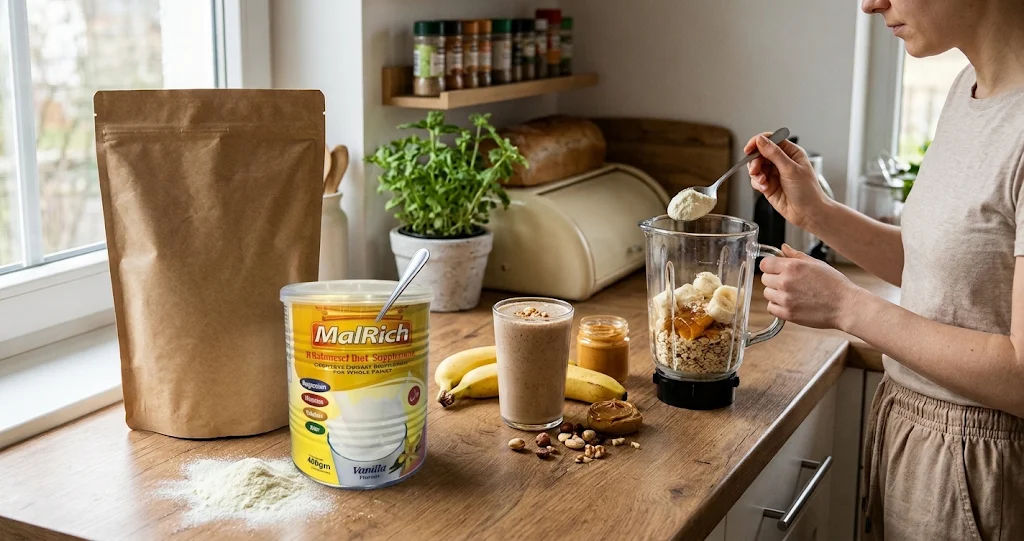
Milk powder for weight gain is often used by people who want to increase their daily calorie and protein intake without preparing complicated meals. It can be mixed into milk, smoothies, porridge, and other everyday foods. However, its nutritional value depends on the ingredients, serving size, and type of milk powder being used. When comparing products, consumers may also research the malrich milk price in pakistan to understand the cost of including milk powder in their daily nutrition routine.
But can milk powder for weight gain actually raise protein intake? The answer is yes, provided that the product contains a meaningful amount of protein and is consumed as part of a balanced diet. It can help fill nutritional gaps, increase calorie consumption, and support muscle maintenance. Understanding how it works, how much protein it provides, and how to use it correctly can help you make better dietary decisions.
Milk Powder for Weight Gain
Milk powder is produced by removing most of the water from liquid milk. This process creates a dry product that can be stored for longer periods when kept under suitable conditions.
Depending on its formulation, milk powder can contain protein, carbohydrates, fats, calcium, and other nutrients. These nutrients make it useful for people who want to increase their daily energy and nutritional intake.
Weight-gain milk powders may contain additional ingredients, such as carbohydrates, vegetable fats, vitamins, minerals, and sometimes extra protein. Their nutritional composition differs between brands.
What Makes Milk Powder Useful for Weight Gain?
The main advantage of milk powder is that it provides concentrated nutrition in a relatively small serving.
Instead of drinking several glasses of liquid milk, someone can prepare a nutritious drink using an appropriate quantity of powder. Some products also provide additional calories through carbohydrates and fats.
This can benefit people who:
-
Have difficulty eating large meals.
-
Need additional calories throughout the day.
-
Want convenient nutritional options.
-
Participate in strength training.
-
Need extra energy to support weight gain.
-
Prefer adding nutrition to familiar foods.
However, milk powder should complement regular meals rather than replace a varied diet.
Does Every Milk Powder Contain the Same Protein?
No. Different milk powders have different nutritional compositions.
Skimmed milk powder generally contains more protein per 100 grams than whole milk powder because it contains less fat. Whole milk powder provides protein along with more dietary fat.
Weight-gain formulas may contain varying amounts of milk protein, added protein, and carbohydrates.
Therefore, checking the nutrition label is essential before purchasing a product.
How Milk Powder Can Raise Protein Intake
Protein is an essential nutrient that supports many functions in the human body. It is made up of amino acids, which are used to build and repair muscles, skin, organs, and other tissues.
Milk naturally contains two major protein groups: casein and whey.
Both provide essential amino acids, making milk-based products useful sources of dietary protein.
Supporting Daily Protein Requirements
Every person needs protein, although individual requirements depend on age, body weight, activity level, and health condition.
For generally healthy adults, the recommended dietary allowance is approximately 0.8 grams of protein per kilogram of body weight daily.
For example, an adult weighing 60 kilograms would need approximately 48 grams of protein daily to meet this basic recommendation.
People who exercise regularly or participate in resistance training may benefit from higher protein intakes, depending on their goals and circumstances.
Milk powder can help contribute to these requirements.
Providing Essential Amino Acids
Milk proteins are considered complete proteins because they contain all nine essential amino acids.
Essential amino acids cannot be produced by the body in sufficient quantities, so they must come from food.
These amino acids support:
-
Muscle repair and maintenance.
-
Tissue development.
-
Enzyme production.
-
Hormone formation.
-
Normal immune function.
-
Recovery following physical activity.
Including milk powder in a balanced diet can therefore provide useful protein alongside other important nutrients.
Increasing Protein Without Large Meals
Some people find it difficult to consume enough protein through traditional meals.
A glass of prepared milk containing milk powder can provide additional protein without requiring a large portion of food.
It can also be added to meals that already contain carbohydrates, fats, and other nutrients.
This makes it particularly convenient for people with busy schedules or limited appetites.
How Much Protein Does Milk Powder Provide?
The amount of protein depends on the type of milk powder and the serving size.
Regular whole milk powder commonly contains approximately 24–27 grams of protein per 100 grams. Skimmed milk powder may contain approximately 34–37 grams per 100 grams.
These figures are approximate and vary between products.
Example of Protein Content
The following table illustrates how different quantities of regular whole milk powder may contribute to daily protein intake.
|
Quantity of milk powder |
Approximate protein |
|---|---|
|
10 grams |
2.5 grams |
|
20 grams |
5 grams |
|
30 grams |
7.5 grams |
|
40 grams |
10 grams |
|
50 grams |
12.5 grams |
These estimates assume a protein concentration of approximately 25%.
Actual values should always be checked on the product packaging.
Why Serving Size Matters
A common mistake is assuming that consuming more milk powder automatically produces better results.
Although larger servings provide additional protein and calories, they also increase total energy intake.
People should consider their overall dietary requirements rather than consuming excessive quantities.
Following the manufacturer's serving instructions is a sensible starting point.
Benefits of Using Milk Powder for Healthy Weight Gain
Milk powder can support healthy weight gain when it helps someone consume enough calories and protein.
However, gaining weight and building muscle are not exactly the same process.
Weight gain can involve increases in muscle, body fat, water, and other tissues. Protein supports muscle development, while sufficient overall calories provide the energy needed for growth.
Helps Increase Daily Calories
A person who consumes fewer calories than their body uses may struggle to gain weight.
Adding milk powder to regular meals can increase calorie intake without requiring major changes to eating habits.
For example, adding milk powder to porridge or a smoothie can make the meal more energy-dense.
This can be useful for people who have small appetites.
Supports Muscle Maintenance
Muscles constantly experience small amounts of damage and repair, particularly during physical activity.
Protein supplies amino acids that help repair muscle tissue.
When combined with suitable resistance exercises and adequate recovery, sufficient protein intake supports muscle development.
Milk powder can contribute to this process by providing additional dietary protein.
Provides Calcium
Many milk powders contain calcium, which is important for maintaining healthy bones and teeth.
Calcium also participates in muscle contraction and normal nerve function.
Adequate calcium intake is particularly important for people who want to maintain strong bones while following an active lifestyle.
Offers Convenient Nutrition
Preparing nutritious meals can sometimes be difficult because of work, education, family responsibilities, or travel.
Milk powder is easy to store and prepare when handled according to packaging instructions.
It can be incorporated into several meals without requiring complicated cooking methods.
Best Ways to Use Milk Powder to Increase Protein Intake
Milk powder can be used in different recipes, making it easier to improve the nutritional value of everyday meals.
The best method depends on personal preferences, calorie requirements, and dietary habits.
Mix It With Regular Milk
One simple option is mixing milk powder into prepared liquid milk.
This increases the concentration of milk solids and can provide additional protein and calories.
However, the nutritional contribution depends on the quantity used and the original milk's composition.
Avoid adding excessive powder simply to make the drink thicker.
Add It to Porridge
Porridge is a convenient breakfast option that can be improved with milk powder.
Prepare oats or another suitable grain using water or milk. Allow the mixture to cool slightly before stirring in the powder.
You can also add:
-
Bananas.
-
Ground nuts.
-
Peanut butter.
-
Chia seeds.
-
Dates.
-
Cinnamon.
These ingredients provide additional nutrients, energy, and flavour.
Prepare a Protein-Rich Smoothie
Smoothies offer another convenient way to combine several nutritious ingredients.
A simple homemade smoothie can include milk, milk powder, banana, and peanut butter.
For additional protein, you can include plain Greek yogurt.
Blend everything until smooth and adjust the consistency according to your preference.
Remember that ingredients such as peanut butter and bananas primarily increase calories and provide different nutrients. They do not all contribute the same amount of protein.
Add It to Homemade Pancakes
Milk powder can also be added to pancake batter.
Combine flour, eggs, milk, and a suitable quantity of milk powder to prepare a nutritious breakfast.
Eggs and milk contribute protein, while flour provides carbohydrates.
This combination can help create a more filling meal.
Include It in Homemade Desserts
Milk powder can be incorporated into homemade puddings, custards, and other desserts.
These foods can provide additional energy and some protein.
However, be mindful of added sugar. Excessive sugar is not necessary for healthy weight gain.
Milk Powder Compared With Other Protein Sources
Milk powder is useful, but it should not be the only source of protein in your diet.
Eating a variety of protein-rich foods helps provide different nutrients and keeps meals interesting.
Milk Powder Versus Eggs
Eggs are an affordable and nutritious protein source.
One large egg provides approximately 6–7 grams of protein.
Eggs also supply vitamins and minerals that support normal body functions.
Milk powder can complement eggs in a balanced breakfast rather than replace them.
Milk Powder Versus Chicken
Chicken is a valuable source of high-quality protein.
Approximately 100 grams of cooked, skinless chicken breast provides around 30–31 grams of protein.
It generally provides more protein per serving than a small quantity of regular milk powder.
Including chicken, fish, eggs, and dairy products can help create a varied diet.
Milk Powder Versus Yogurt
Yogurt contains protein, calcium, and other nutrients.
Greek yogurt generally provides more protein than regular yogurt because it is more concentrated.
It can be combined with milk powder to create a nutritious snack.
Milk Powder Versus Protein Supplements
Protein supplements are specifically formulated to provide concentrated protein.
Some contain whey protein, while others use casein or plant-based protein sources.
Weight-gain milk powder may provide a combination of protein, carbohydrates, and fats.
The better choice depends on nutritional needs, ingredients, affordability, and personal preferences.
Malrich Milk Price in Pakistan
When purchasing milk powder, price is an important consideration for many households.
Consumers researching the malrich milk price in pakistan should consider more than the amount printed on the product package.
Prices can vary depending on several factors, including:
-
Package weight.
-
Product formulation.
-
Retailer or supermarket.
-
Distribution costs.
-
Availability.
-
Promotional discounts.
-
Changes in manufacturing and ingredient costs.
Because prices can change, it is best to check current packaging and local retailers rather than relying on outdated estimates.
Compare Price With Nutritional Value
A cheaper product is not necessarily the best option.
Instead of comparing products only by package price, examine how much protein each serving provides.
For example, one product might cost less but contain more added sugar and fewer grams of protein.
Another product might cost slightly more but provide a better balance of nutrients.
Comparing the protein content per 100 grams can help consumers make a more informed decision.
Check the Ingredient List
Before purchasing a milk powder, examine its ingredients.
Look for information about milk solids, added sugars, fats, protein sources, and other nutritional ingredients.
People with lactose intolerance or milk allergies should pay particular attention to product composition.
If the product is intended for regular consumption, its nutritional quality matters more than attractive packaging.
Can Milk Powder Help Build Muscle?
Milk powder can support muscle development, but consuming it alone will not automatically increase muscle mass.
Muscle growth requires a combination of nutrition, exercise, and recovery.
Combine Protein With Resistance Training
Resistance training places controlled stress on muscles.
Exercises such as squats, push-ups, lunges, and weightlifting can stimulate muscle development.
Protein supplies the amino acids needed to repair and build muscle tissue after exercise.
People should gradually increase exercise intensity while maintaining proper technique.
Eat Enough Calories
Muscle development requires sufficient energy.
If someone consistently consumes fewer calories than their body needs, building muscle may become more difficult.
Milk powder can help increase calorie intake, particularly when added to meals.
However, the goal should be a suitable calorie surplus rather than uncontrolled overeating.
Maintain Consistent Protein Intake
Consuming enough protein throughout the day is generally more practical than relying on one large serving.
For example, protein can come from:
-
Eggs at breakfast.
-
Chicken at lunch.
-
Yogurt as an afternoon snack.
-
Fish or beans at dinner.
-
Milk powder in a smoothie.
This approach provides several opportunities to meet daily nutritional requirements.
Possible Side Effects and Precautions
Milk powder is suitable for many people, but it may not be appropriate for everyone.
Understanding possible side effects can help people use it safely.
Lactose Intolerance
Some people have difficulty digesting lactose, a naturally occurring sugar in milk.
Symptoms can include bloating, abdominal discomfort, gas, and diarrhoea.
People with lactose intolerance may need lactose-free alternatives or guidance from a healthcare professional.
Milk Allergy
Milk allergy is different from lactose intolerance.
It involves an immune reaction to milk proteins.
People with a diagnosed milk allergy should avoid ordinary milk powder and seek suitable alternatives with professional guidance.
Excessive Calorie Consumption
Weight-gain products can contain substantial amounts of calories.
Consuming too much may lead to unwanted increases in body fat.
It is better to calculate overall calorie requirements and adjust food portions gradually.
Added Sugar
Some weight-gain formulas contain significant amounts of added sugar.
Regularly consuming excessive added sugar can negatively affect dental and metabolic health.
Choose products with a suitable nutritional profile and moderate added sugar.
Digestive Discomfort
Large servings may cause digestive discomfort in some individuals.
Starting with the recommended serving and paying attention to how your body responds can help.
People with existing medical conditions should discuss significant dietary changes with a qualified healthcare professional.
How to Choose the Right Milk Powder for Weight Gain
Choosing the right product requires checking its nutritional information and considering your personal requirements.
Examine Protein Per Serving
Protein should be one of the first things you compare.
Check the serving size and calculate how much protein the product actually provides.
A larger serving may appear to contain more protein simply because more powder is being consumed.
Consider Total Calories
If your goal is weight gain, calories are important.
Look at the energy content per serving and consider how it fits into your daily calorie requirements.
A balanced product should provide useful nutrition rather than relying entirely on added sugar.
Check Manufacturing and Expiry Information
Always purchase products from reliable sellers.
Check the manufacturing date, expiry date, packaging condition, and storage instructions.
Avoid products with damaged packaging or unclear ingredient information.
Consider Your Budget
Nutrition products should fit into your household budget.
Researching the malrich milk price in pakistan can help consumers compare available purchasing options and plan their expenses.
However, price should always be considered alongside nutritional quality, serving size, and product suitability.
A Practical Daily Diet Plan for Healthy Weight Gain
Milk powder can become part of a balanced daily meal plan.
The following example demonstrates how it might fit into an ordinary eating routine.
Conclusion
Milk powder for weight gain can raise protein intake when it contains sufficient milk protein and is consumed in appropriate quantities. It provides a convenient way to increase daily nutrition without requiring large meals or complicated recipes. Its protein content can contribute to muscle maintenance, tissue repair, and recovery after physical activity.
However, milk powder should not be considered a complete solution for gaining weight or building muscle. Healthy weight gain requires adequate calories, a balanced combination of nutrients, regular physical activity, and sufficient rest. Including other protein sources, such as eggs, chicken, fish, yogurt, beans, and lentils, can help create a more complete diet.
The type of milk powder also matters. Whole milk powder, skimmed milk powder, and specialized weight-gain formulas have different nutritional compositions. Checking protein content, serving sizes, calories, added sugars, and ingredients is essential before making a purchase.
Consumers comparing the malrich milk price in pakistan should also evaluate the nutritional value offered by each product. A suitable choice should fit both dietary requirements and household budgets. Price alone cannot determine whether a product is beneficial.
Ultimately, milk powder can be a practical addition to a healthy weight-gain routine. When used responsibly, combined with protein-rich foods, and supported by regular resistance training, it can help people meet their nutritional goals. The most effective approach is to focus on consistent eating habits, appropriate portions, and long-term health rather than expecting one product to produce immediate results.