
Can cloud Mobile App Gaming reduce downloads?
Cloud technology is changing the way people access entertainment, play games, and use digital services. Traditionally, mobile games require users to download large applications, install additional files, and reserve enough storage space before they can start playing. However, cloud technology offers another approach that allows games to run on remote servers while players access them through an internet connection. This development is changing expectations about convenience, accessibility, and device performance.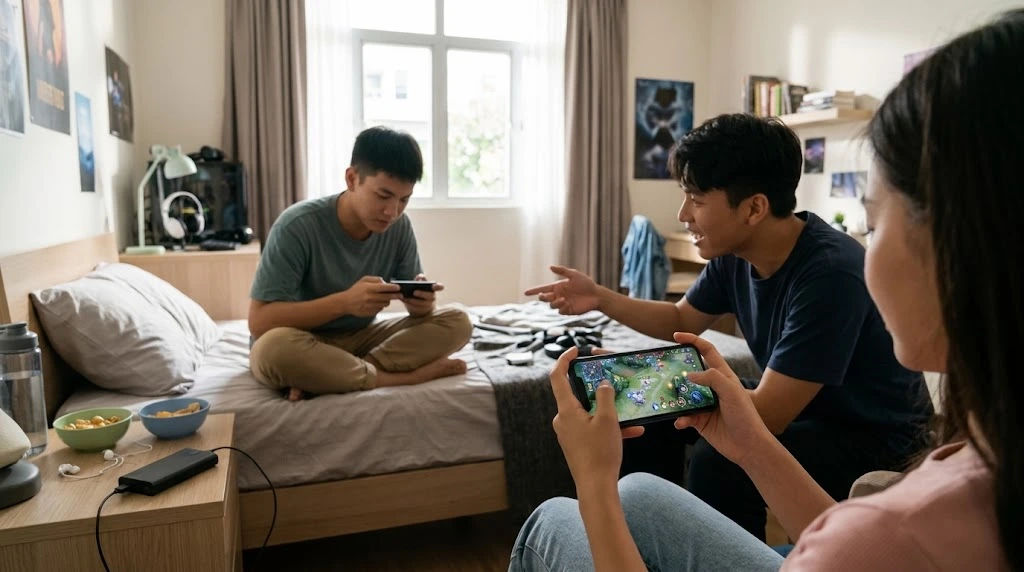
One of the biggest advantages of this technology is its potential to reduce the amount of storage required on smartphones and tablets. Instead of installing every game directly onto a device, users can stream gameplay from powerful cloud servers. This makes Mobile App Gaming more accessible to people who have limited storage, older smartphones, or a preference for trying different games without downloading large files.
Cloud-based gaming is becoming an interesting option for both players and developers. It can reduce installation requirements, simplify updates, and make high-quality gaming available across different devices. However, it also introduces challenges involving internet speed, data consumption, subscription costs, and connection reliability.
Understanding how cloud technology works can help players decide whether it is a practical alternative to traditional mobile gaming. This comprehensive guide explains how cloud gaming reduces downloads, what benefits it offers, and which limitations users should consider.
Cloud Gaming Technology
Cloud gaming is a technology that allows games to operate on remote servers instead of depending entirely on a user's smartphone hardware. The game runs in a data centre, where powerful computers process graphics, movements, and other gaming activities.
The resulting video and audio are transmitted to the player's device through the internet. The player interacts with the game using touchscreen controls, a controller, or another supported input method.
The device mainly receives the streamed gameplay and sends the player's commands back to the server. This arrangement reduces the need to install large game files locally.
How Cloud Gaming Works
Cloud gaming follows a relatively simple process.
First, the player opens a supported gaming application or website. After selecting a game, the platform connects the device to a remote gaming server.
The server launches the selected game and processes its operations. It then sends the resulting video and audio to the player's screen.
When the player touches the screen or presses a button, the command travels through the internet to the server. The server processes the action and sends the updated gameplay back.
This process continues throughout the gaming session.
Because the main game files remain on remote servers, the smartphone does not need to store the complete game installation.
Difference Between Cloud and Traditional Gaming
Traditional mobile gaming requires users to download and install most of the necessary game files. These files can include graphics, sound effects, maps, character models, and other resources.
Cloud gaming handles much of this processing remotely.
For example, a traditional mobile game might require several gigabytes of storage. A cloud version may only require a small application, browser access, or a streaming client.
Mobile App Gaming zs777 can be significant for users who regularly play large games.
Can Cloud Mobile App Gaming Reduce Downloads?
Yes, cloud technology can substantially reduce game downloads because most of the processing and storage requirements are handled by remote servers.
In traditional gaming, smartphones must store the files needed to run games. Larger titles often require additional downloads after installation, increasing their overall storage requirements.
Cloud gaming changes this arrangement by streaming the game rather than delivering the complete installation package to the device.
This means users can potentially access demanding games without downloading their full content.
Smaller Initial Downloads
One of the clearest advantages is the reduced size of the initial download.
A traditional gaming application may require a large installation package before it becomes playable. A cloud gaming service may only require a lightweight application that connects users to its servers.
This saves time during installation and reduces the amount of storage occupied by gaming applications.
It can also make gaming more convenient for people who frequently switch between different titles.
Reduced Additional Game Files
Many traditional games download additional resources after installation.
These resources may include new environments, characters, missions, textures, and sound packages. Over time, these updates can increase the amount of storage required.
Cloud gaming can reduce this requirement because the game content remains on remote infrastructure.
Players receive the streamed experience instead of storing every resource locally.
However, the cloud platform itself may still require application updates, cached data, and temporary files.
How Cloud Gaming Saves Smartphone Storage
Smartphone storage is limited, especially on devices with smaller internal memory. Users often need to remove photographs, videos, applications, or other files to make room for new games.
Cloud gaming can reduce this pressure by moving much of the storage requirement away from the device.
Less Space Required for Installation
A lightweight gaming client generally occupies less space than a complete traditional game installation.
This allows users to access multiple games without filling their device with large applications.
For example, someone with limited storage might struggle to install several demanding games. A cloud service can provide access to supported titles through one platform.
The user may therefore spend less time managing installations and deleting unwanted games.
Less Storage Management
Traditional games can create storage problems through updates, downloaded resources, and cached files.
Players sometimes discover that a game that originally required a few gigabytes now occupies considerably more space.
Cloud-based services can reduce these problems because the main game resources are stored remotely.
Although some temporary caching may still occur, users generally have fewer large installation files to manage.
More Room for Other Applications
Reducing game downloads leaves additional storage available for everyday activities.
Users can keep more photographs, documents, educational applications, communication tools, and entertainment services on their smartphones.
This is particularly useful for people who use their devices for both work and leisure.
Benefits of Cloud Gaming for Mobile Users
Cloud gaming offers several advantages beyond reducing downloads. Its approach to processing, storage, and game distribution can improve convenience for different types of users.
Access to High-Quality Games
Some mobile devices cannot run demanding games smoothly because they have limited processors, graphics capabilities, or memory.
Cloud gaming can reduce dependence on local hardware by running games on powerful remote computers.
As a result, supported devices may access gaming experiences that would otherwise require more powerful hardware.
However, the quality of the experience still depends on the streaming platform, internet connection, and device compatibility.
Faster Access to Different Games
Traditional gaming often involves downloading a game, waiting for installation, and completing additional updates.
Cloud platforms can make the process quicker by allowing players to launch supported games directly from their service.
This is useful for people who enjoy exploring different genres.
They can try games without necessarily committing large amounts of device storage to every title.
Convenience Across Multiple Devices
Some cloud gaming services support smartphones, tablets, computers, and televisions.
This flexibility allows players to access supported games through different compatible devices.
For example, someone might begin playing on a tablet and later continue on a smartphone, depending on the platform's account and progress-synchronisation features.
Such convenience makes cloud gaming attractive to people who use multiple devices throughout the day.
Reduced Dependence on Powerful Smartphones
Traditional mobile games rely heavily on local hardware.
Cloud gaming transfers much of that processing responsibility to remote servers.
This can help users access more demanding games without purchasing an expensive gaming smartphone.
Nevertheless, the device still needs enough processing power to decode the video stream and operate the gaming interface.
The Role of Internet Connectivity
Although cloud gaming reduces downloads, it creates a greater dependence on internet connectivity.
Traditional games can often run offline after installation. Cloud games usually need a continuous connection because gameplay is processed remotely.
This difference is important when evaluating whether cloud gaming is suitable for everyday use.
Internet Speed Requirements
A stable broadband or mobile internet connection is essential for smooth streaming.
If the connection is too slow, players may experience blurry graphics, interruptions, or delayed responses.
Different cloud platforms have different speed recommendations depending on their streaming quality.
A stronger connection generally provides more consistent performance.
However, speed alone is not enough. Network stability and latency also influence the experience.
Understanding Latency
Latency refers to the time required for information to travel between the player's device and the cloud server.
In competitive games, even small delays can affect performance.
For example, a player might press a movement button, but the character responds slightly later because the command must travel to the server and return as updated gameplay.
A low-latency connection is therefore particularly important for action games, racing titles, and competitive multiplayer experiences.
Mobile Data Consumption
Reducing game downloads does not necessarily mean using less internet data.
Cloud gaming continuously streams audio and video during gameplay. Depending on resolution, frame rate, and session length, this can consume substantial amounts of mobile data.
Players using limited data packages should monitor their usage carefully.
A large traditional game download may consume considerable data once, while cloud gaming can continue consuming data throughout every session.
Cloud Gaming and Game Updates
Game updates are another area where cloud technology can make a difference.
Traditional mobile games frequently require players to download patches and additional content before they can continue playing.
These updates can be inconvenient, especially when they are large or released frequently.
Centralised Game Updates
Cloud gaming platforms can manage game updates on their remote servers.
When developers release a new version, the service can update the hosted game without requiring every player to download the complete update.
This simplifies the experience for users.
Players may be able to access the updated version automatically when they launch the game.
Less Waiting Before Playing
Large updates can create frustrating delays.
For example, a player might open a game expecting to enjoy a short session but discover that a significant update must finish downloading first.
Cloud gaming can reduce these interruptions because the server handles much of the update process.
However, the platform may still require client-side updates, maintenance periods, or other downloads.
Limitations of Cloud Mobile Gaming
Despite its advantages, cloud gaming is not a perfect replacement for traditional mobile gaming.
Several limitations can influence performance, affordability, and accessibility.
Dependence on Reliable Internet
The biggest limitation is the requirement for a continuous internet connection.
Players may struggle to enjoy cloud games in locations with weak network coverage.
Underground areas, remote locations, crowded public networks, and unstable mobile connections can interrupt gameplay.
Traditional downloaded games may be more practical in these situations.
Possible Subscription Costs
Some cloud gaming platforms operate through monthly or yearly subscriptions.
Although users can save storage space, they may need to pay recurring fees to access certain games.
Other platforms offer free access with restrictions, advertisements, or limited gaming sessions.
Players should compare subscription costs with the price of purchasing and downloading traditional games.
Limited Game Availability
Not every mobile game is available through cloud gaming platforms.
Some developers may choose not to support streaming services because of licensing agreements, technical requirements, or business decisions.
Players who prefer specific games should check their availability before choosing a cloud gaming service.
Streaming Quality Problems
Cloud gaming depends on receiving a continuous video stream.
Network congestion, server distance, and connection instability can reduce image quality.
Players may notice visual compression, occasional freezing, or reduced responsiveness.
These problems can make fast-paced games less enjoyable.
Cloud Gaming Compared With Downloaded Games
Both gaming methods offer different advantages. The right choice depends on how people use their devices and what they expect from their gaming experience.
Storage Requirements
Downloaded games generally require more local storage because their main files are installed directly on the device.
Cloud gaming usually requires less storage because most game resources remain on remote servers.
For users with limited internal memory, cloud gaming offers a clear advantage.
Internet Requirements
Downloaded games can often operate offline after installation, although some features may require internet access.
Cloud gaming normally needs a stable connection throughout the session.
Therefore, traditional downloads can be more suitable for travelling or playing in areas with unreliable connectivity.
Performance
Traditional gaming depends on the smartphone's processor, graphics hardware, memory, and cooling system.
Cloud gaming depends heavily on remote server performance and network conditions.
A capable cloud platform may provide impressive graphics on a modest smartphone, but poor connectivity can negatively affect the experience.
Game Ownership and Access
Downloaded games may offer permanent access after purchase, depending on licensing and platform policies.
Cloud gaming subscriptions may provide access only while the subscription remains active.
Users should understand these differences before deciding which approach suits their needs.
How Developers Benefit From Cloud Gaming
Cloud technology does not only benefit players. It also creates new opportunities for game developers and publishers.
Easier Distribution
Developers can distribute games through cloud platforms without requiring every user to download the complete game package.
This can reduce installation barriers and encourage more people to try their products.
A smaller entry requirement may be especially useful when introducing games to users with limited device storage.
Centralised Maintenance
Managing updates through remote servers can simplify maintenance.
Developers can apply certain changes centrally rather than depending entirely on individual users to install new files.
This can improve consistency across supported gaming sessions.
Reaching More Devices
Cloud technology can make demanding gaming experiences available to a wider range of compatible devices.
Developers may reach users who cannot afford high-end smartphones or tablets.
This creates opportunities to expand their audiences.
However, developers must still consider server costs, streaming infrastructure, network requirements, and platform compatibility.
Tips for Getting the Best Cloud Gaming Experience
Players can take several practical steps to improve cloud gaming performance and avoid unnecessary problems.
Choose a Stable Internet Connection
A reliable connection is more important than simply having a high advertised internet speed.
Use a strong Wi-Fi connection whenever possible.
If playing through mobile data, check network coverage and monitor data consumption.
Select Suitable Streaming Quality
Many services offer different streaming resolutions and quality settings.
Higher resolutions can improve visual detail but generally require more bandwidth.
Players with slower connections may benefit from selecting a lower resolution.
This can reduce interruptions and provide more consistent gameplay.
Keep the Gaming Application Updated
Although the main games may run remotely, the gaming client still needs maintenance.
Install application updates when necessary to maintain compatibility, improve security, and fix technical problems.
Check Server Availability
Cloud platforms sometimes experience maintenance or server interruptions.
Checking service status can help players identify whether a problem is caused by their connection or the gaming platform.
Compare Different Platforms
Not all cloud gaming services provide the same features.
Some offer larger game libraries, while others focus on performance, device compatibility, or subscription value.
Compare their supported games, regional availability, connection requirements, and pricing before choosing one.
Is Cloud Gaming the Future of Mobile Gaming?
Cloud technology has the potential to influence how people access and enjoy mobile entertainment.
As internet infrastructure improves, streaming technology may become more reliable and accessible.
Developments in 5G networks, fibre broadband, server processing, and video compression could improve the overall experience.
However, traditional downloads are unlikely to disappear completely.
Offline gaming, independent games, casual applications, and titles that require direct hardware access will continue to have important roles.
The future may involve a combination of downloaded and cloud-based experiences.
Players will be able to choose the approach that best matches their storage capacity, internet availability, budget, and gaming preferences.
For developers, offering both options could provide greater flexibility and help reach different audiences.
Conclusion
Cloud gaming can significantly reduce the need to download large mobile games because most of the processing and game resources are handled by remote servers. Instead of storing complete game installations on smartphones, players can stream supported titles through lightweight applications or compatible browsers.
This approach offers several advantages, particularly for people with limited device storage. Smaller initial downloads, reduced storage management, centralised updates, and access to demanding games can make the gaming experience more convenient. Users may also enjoy supported games without purchasing expensive smartphones designed specifically for gaming.
However, reducing downloads does not mean eliminating every requirement. Cloud gaming depends on a stable internet connection, and streaming can consume substantial amounts of data. Latency, subscription costs, server availability, and limited game libraries can also influence the overall experience.
Traditional downloaded games still offer important benefits, including offline access, direct hardware performance, and greater independence from continuous internet connectivity. For many users, these advantages remain essential.
The most practical approach is to understand the strengths and weaknesses of both options. People with reliable internet connections and limited smartphone storage may find cloud gaming especially useful. Those who frequently travel, have restricted data packages, or prefer offline entertainment may benefit more from downloaded games.
Ultimately, cloud technology is creating new possibilities for Mobile App Gaming by making large gaming experiences easier to access without requiring equally large downloads. As streaming infrastructure improves, cloud gaming could become an increasingly important part of the mobile entertainment industry.