How do you ship car across country safely?
If you need to ship car across country, safety should be your first priority, not simply finding the lowest transportation quote. Moving a vehicle hundreds or thousands of miles involves several stages, from choosing a trustworthy auto transport company to preparing the vehicle, documenting its condition, and inspecting it at delivery.
A properly planned shipment can be straightforward and much less stressful than driving the vehicle yourself. The key is understanding how the process works and knowing what questions to ask before handing over your keys.
Whether you are relocating, buying a vehicle from another state, sending a car to a family member, or moving for work, this guide explains how to protect your vehicle throughout the journey.
Choose a Reliable Auto Transport Company
The transportation company you choose has a major impact on the safety of your vehicle. Not every company operates in the same way, and extremely cheap quotes can sometimes come with compromises.
Before booking, research the company's experience, licensing, insurance coverage, and customer reviews. Look for a company that clearly explains its transportation process rather than one that only focuses on giving you a low price.
When comparing companies to ship car across country, do not judge them entirely by their initial quote. A slightly higher price may provide better communication, insurance coverage, equipment, and service.
Check Licensing and Credentials
A legitimate auto transport company should be properly registered and authorized to operate. In the United States, interstate vehicle carriers and brokers are generally subject to federal transportation regulations.
Ask for the company's motor carrier information and verify it through the appropriate federal transportation database. This gives you a way to confirm that the business exists and operates under the required authority.
You should also distinguish between a broker and a carrier. A broker arranges transportation through a carrier, while the carrier physically transports your vehicle. Neither is automatically better, but you should understand who you are actually hiring.
Review Insurance Coverage
Insurance is one of the most important considerations when you ship car across country.
Ask exactly what the carrier's insurance covers and request proof of coverage when appropriate. Find out whether coverage applies during loading, transportation, unloading, and storage if the vehicle is temporarily held.
Do not assume your personal auto insurance will cover every situation during transportation. Your policy may have limitations, so contacting your insurer before shipping can help you understand your responsibilities.
Select the Right Transport Method
The type of carrier you choose can affect both cost and protection.
The two most common options are open transport and enclosed transport. Open transport is generally less expensive and is widely used for ordinary vehicles. Enclosed transport provides additional protection from weather, road debris, and exposure.
For most everyday cars, open transportation can be a practical choice. However, owners of luxury, classic, exotic, antique, or highly customized vehicles may prefer enclosed transportation.
Open Transport
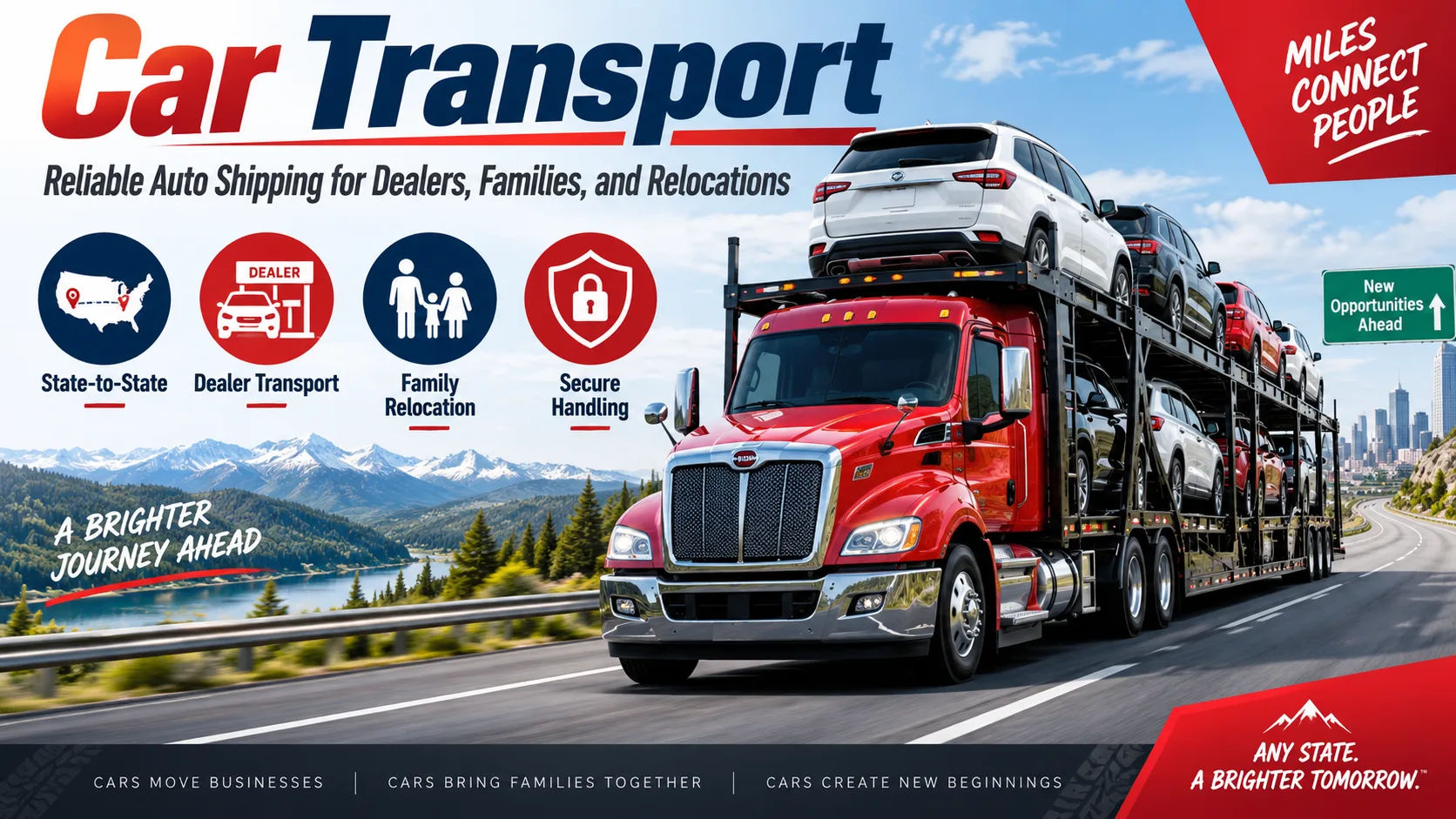
Open carriers are the familiar multi-car trailers commonly seen on highways. They can transport several vehicles at once, which helps make this option more economical.
The vehicle is exposed to outdoor conditions during transit. Rain, dust, snow, road spray, and other environmental factors may come into contact with the car.
That does not mean open transport is inherently unsafe. Millions of vehicles are transported this way. However, the choice should match the value and condition of your vehicle.
Enclosed Transport
Enclosed transportation places the vehicle inside a covered trailer.
This provides greater protection from weather and road debris. It is particularly useful for valuable vehicles where minimizing exposure is more important than keeping transportation costs low.
If you are preparing to ship car across country and your vehicle has a high financial or sentimental value, ask the carrier whether enclosed transportation is available.
Prepare Your Vehicle Before Pickup
Proper preparation can prevent avoidable problems.
Start by cleaning the exterior of the vehicle. A clean surface makes it much easier to identify scratches, dents, chips, or other existing damage during the inspection.
Remove personal belongings from the cabin and trunk. Auto transport companies typically have rules concerning personal property because it can shift during transportation, add unexpected weight, or become damaged.
Remove Unnecessary Items
Take out valuables, electronics, documents, loose accessories, and other personal possessions.
Check the glove compartment, door pockets, center console, trunk, and under-seat areas. People often leave items behind simply because they are not visible at first glance.
Some carriers may permit a small amount of personal property under specific conditions, but you should never assume this is allowed. Ask the carrier about its policy before loading anything into the vehicle.
Check the Mechanical Condition
The car does not necessarily need to be in perfect mechanical condition, but the carrier needs to know whether it runs and drives.
Tell the company about mechanical problems, dead batteries, flat tires, brake issues, or other conditions that could make loading difficult.
If the vehicle is inoperable, additional equipment such as a winch may be necessary. That can affect the price and pickup arrangements.
Keep the fuel level relatively low rather than filling the tank completely. A small amount of fuel is generally sufficient for loading and unloading while reducing unnecessary weight.
Document the Vehicle's Condition
One of the smartest things you can do before you ship car across country is create detailed documentation.
Take clear photographs of the vehicle from multiple angles before the carrier arrives. Photograph the front, rear, sides, roof, wheels, windows, bumpers, and any existing damage.
Take close-up photographs of scratches, dents, paint chips, cracks, or other imperfections.
Take Photos and Videos
Use good lighting when documenting the car. If possible, take photographs shortly before pickup rather than relying on pictures from several weeks earlier.
A short walk-around video can provide additional evidence of the vehicle's condition.
The goal is not to expect damage. It is simply to establish a clear record of what the vehicle looked like before transportation.
Complete the Bill of Lading
The bill of lading is an important transportation document. It records details about the vehicle and its condition at pickup.
The driver should inspect the vehicle with you and document existing damage. Read the document carefully before signing it.
Do not sign a document stating that the vehicle has no damage if existing damage has not been recorded.
The same inspection process should occur when the vehicle arrives. Compare its condition with the original documentation before completing the delivery paperwork.
Understand the Shipping Timeline
When you ship car across country, delivery time can vary.
Distance, weather, traffic, road construction, carrier availability, pickup location, and delivery location can all affect the schedule.
Do not assume that a quoted delivery date is guaranteed unless the company specifically provides a guaranteed service.
Be Flexible With Pickup and Delivery
Auto transport is different from parcel delivery. A large carrier may be coordinating several vehicles and multiple destinations along the same route.
Pickup and delivery windows are therefore often more realistic than exact appointment times.
Providing accurate addresses and phone numbers can make the process easier. If your street is difficult for a large trailer to access, the driver may arrange a nearby meeting location.
Choose Safe Pickup and Delivery Locations
The location where your vehicle is loaded matters.
A large transport truck needs enough space to safely maneuver. Narrow residential streets, low bridges, steep driveways, parked cars, and restricted roads can create problems.
If the carrier cannot safely access your home, the company may arrange a nearby commercial parking lot or another accessible location.
When you ship car across country, clear communication about the pickup and delivery locations can prevent last-minute confusion.
Ask About Tracking and Communication
Good communication makes the shipping process easier to manage.
Ask how the company provides updates. Some carriers provide phone updates, while others offer online tracking or text notifications.
You should know how to contact the company during transportation and what information you will receive if the vehicle is delayed.
Be cautious of companies that become difficult to reach immediately after receiving your deposit or payment.
Be Careful With Extremely Low Quotes
Price matters, but the cheapest option is not always the safest.
Auto transport pricing depends on distance, vehicle size, route demand, season, transportation method, fuel costs, pickup and delivery locations, and carrier availability.
A quote that is dramatically lower than competing offers deserves closer examination.
Before agreeing to a price, ask whether the quote includes all expected transportation charges. Find out about deposits, cancellation policies, additional fees, storage charges, and changes to pickup arrangements.
A transparent quote makes it easier to compare companies fairly.
What Happens During Transportation?
Once your vehicle is inspected and loaded, the carrier secures it to the trailer using appropriate equipment.
The driver then transports the vehicle according to the planned route. The exact route may change because of weather, traffic, road conditions, or operational requirements.
During the trip, you generally do not need to do anything. The most useful thing you can do is remain reachable in case the driver needs to coordinate delivery.
If you are wondering how to ship car across country without unnecessary complications, preparation and communication are usually more important than trying to control every part of the journey.
Inspect the Vehicle at Delivery
When the car arrives, inspect it before signing the final delivery paperwork.
Compare its current condition with the photographs, video, and pickup inspection report.
Look carefully at the bumpers, wheels, mirrors, windows, paintwork, roof, doors, and other exposed areas. Check the interior if necessary as well.
Document Any New Damage
If you discover damage that was not present at pickup, document it immediately.
Take photographs and notify the carrier according to the company's claims procedure. Make sure any damage is recorded on the delivery documentation before signing.
Do not delay reporting a problem unnecessarily. Transportation companies and insurance providers may have specific procedures and deadlines for claims.
Common Mistakes to Avoid
Several mistakes can make vehicle shipping more difficult.
One common mistake is booking a carrier without researching its credentials or insurance.
Another is failing to photograph the vehicle before pickup. Without good documentation, proving the vehicle's original condition can become more difficult.
Leaving valuables inside the vehicle is another avoidable problem. Personal possessions may not be covered under the carrier's insurance.
Some owners also wait until the last moment to arrange transportation. This can limit carrier availability and increase costs, especially during busy seasons.
Finally, do not choose a company based solely on price. A reliable carrier, clear paperwork, proper insurance, and good communication are worth considering alongside the quote.
How to Make the Process Safer and Easier
The safest approach is to treat vehicle shipping as a process rather than a single transaction.
Research the company first. Understand whether you are dealing with a broker or carrier. Confirm insurance and transportation arrangements.
Prepare the vehicle properly. Remove personal belongings, check mechanical conditions, and make sure the carrier knows about any problems.
Document the vehicle before pickup and inspect it carefully at delivery.
Keep copies of your shipping agreement, inspection paperwork, photographs, and communication with the company.
These simple steps create a clear record and reduce misunderstandings.
Frequently Asked Questions
Is it safe to ship a car across the country?
Yes, professional auto transportation is commonly used to move vehicles over long distances. Safety depends on choosing a legitimate carrier, using appropriate equipment, documenting the vehicle, and understanding insurance coverage.
How long does it take to ship a car across the country?
The timeframe varies according to distance, route, weather, traffic, carrier availability, and pickup and delivery locations. A carrier should provide an estimated transportation window rather than assuming every shipment will arrive on an exact date.
Should I choose open or enclosed transport?
Open transport is suitable for many standard vehicles and is usually more affordable. Enclosed transport provides additional protection and may be preferable for luxury, classic, collectible, or highly valuable vehicles.
Should I empty my car before shipping?
You should generally remove personal belongings and unnecessary items. Check the carrier's specific policy because rules regarding personal property can vary between transportation companies.
How can I protect myself if my car arrives damaged?
Document the vehicle before pickup, make sure existing damage is recorded on the bill of lading, and inspect the vehicle carefully at delivery. If new damage is found, document it and follow the carrier's claims procedure promptly.
Conclusion
Knowing how to ship car across country safely starts with choosing the right transportation company. A reliable carrier should be properly authorized, transparent about insurance, clear about pricing, and willing to explain the transportation process.
Vehicle preparation is equally important. Cleaning the car, removing personal belongings, checking its mechanical condition, and documenting existing damage can prevent many common problems.
The transportation method should also match the vehicle. Open transport is practical for many everyday cars, while enclosed transportation can provide additional protection for valuable or collectible vehicles.
Most importantly, do not treat the process as simply handing over your keys and waiting for the car to appear. Review the paperwork, communicate with the carrier, understand the delivery window, and inspect the vehicle carefully when it arrives.
When you ship car across country, there will always be factors such as traffic, weather, and route conditions that are outside your control. What you can control is your preparation. Choosing a reputable company, documenting the vehicle, understanding your coverage, and staying organized give you the best chance of a smooth and secure transportation experience.
The safest shipment is rarely the one with the lowest advertised price. It is the one where the carrier, paperwork, insurance, vehicle preparation, and communication all make sense before the car ever leaves the driveway.