
Is nail course in Karachi good for beginners?
Starting a career in the beauty industry can be an exciting opportunity, especially for people who enjoy creativity, fashion, and personal grooming. Nail art and nail care have become popular services in salons and beauty studios. Many people are now interested in learning professional nail techniques to develop practical skills and earn money. However, beginners often wonder whether they need previous experience before joining professional training. 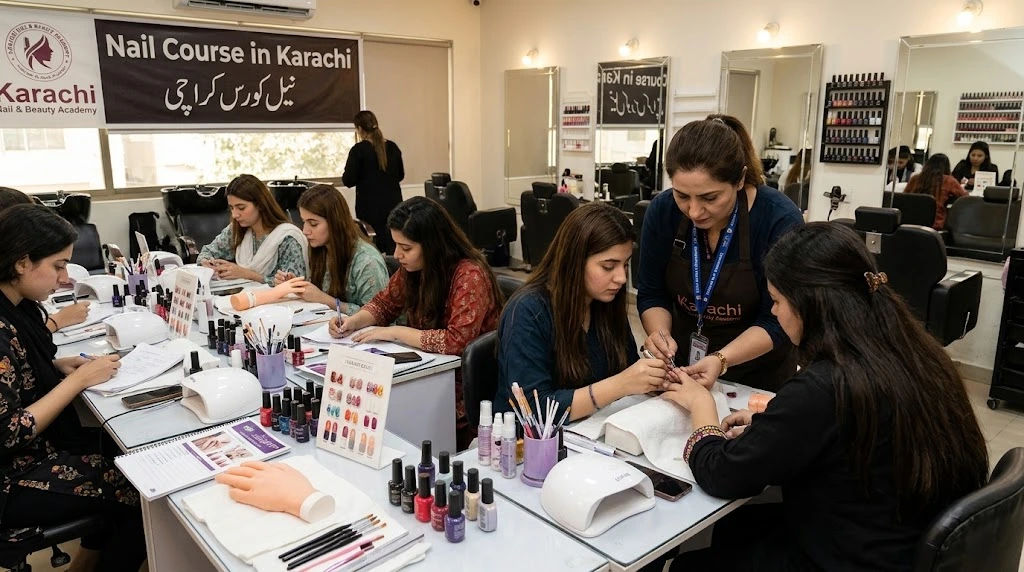 The good news is that most beginner-friendly training programs are designed to teach students from the basics.
A nail course in Karachi can be an excellent choice for beginners who want to learn nail care, nail art, manicure techniques, and professional nail enhancements. These courses generally introduce students to essential tools, hygiene practices, product knowledge, and different nail designs. Students can gradually develop their abilities through demonstrations and practical activities. With proper guidance and regular practice, even someone with no previous experience can learn the skills required to work professionally.
Before enrolling, it is important to understand what a beginner-level course offers, how long training takes, what skills students can develop, and what career opportunities may become available after completing the program. This comprehensive guide explains why nail training can be a valuable starting point for beginners in Karachi.
Why Is Nail Training Suitable for Beginners?
Nail training is suitable for beginners because students do not necessarily need professional beauty experience to get started. Most introductory programs begin with simple techniques and gradually introduce more advanced methods.
Students first learn about nail structure, basic grooming, and the importance of maintaining healthy nails. After understanding these fundamentals, they move towards practical activities such as shaping nails, applying polish, and creating simple designs.
This step-by-step learning process makes the training easier to understand. Beginners can develop confidence without feeling pressured to master complicated techniques immediately.
Another advantage is that nail services involve a combination of creativity and practical skills. Students who enjoy working with their hands can find the learning experience interesting and rewarding.
What Do Beginners Learn in a Nail Course?
A beginner-level training program usually covers several important areas. The exact curriculum depends on the institute, course duration, and training level.
Understanding the main subjects can help students decide whether the program matches their interests.
Basic Nail Anatomy and Nail Care
The first step is understanding the natural nail and its structure. Students learn about the nail plate, cuticle, nail bed, and surrounding skin.
They also learn how to recognize common nail conditions and understand when a client may need professional medical advice instead of a cosmetic treatment.
Basic nail care lessons generally include:
-
Understanding natural nail growth.
-
Identifying different nail shapes.
-
Learning safe nail filing techniques.
-
Maintaining healthy cuticles.
-
Understanding basic nail grooming.
-
Recognizing signs of possible nail infections.
These fundamentals are important because professional nail services should focus on appearance as well as nail health.
Manicure Techniques
Manicure is one of the most important skills taught in beginner training.
Students learn how to clean, shape, and prepare natural nails before applying polish or other products.
A basic manicure may involve soaking, filing, cuticle care, moisturizing, and nail polishing. Students also learn how to use manicure tools properly.
With regular practice, beginners can become more comfortable performing these steps.
Nail Art and Creative Designs
Nail art allows students to explore their creative abilities. Beginners usually start with simple designs before progressing to detailed artwork.
Training may include:
-
Basic color combinations.
-
Dotting techniques.
-
Simple floral patterns.
-
Glitter application.
-
French manicure designs.
-
Geometric nail art.
-
Decorative stickers and accessories.
Learning these techniques helps students understand how to create attractive designs for different customers and occasions.
Nail Polish Application
Applying nail polish correctly requires patience and attention to detail.
Students learn how to prepare the nail surface, apply a base coat, use nail polish evenly, and finish with a top coat.
They also learn how to avoid common problems such as uneven application, bubbles, and polish spreading onto surrounding skin.
These basic techniques help beginners develop a clean and professional working style.
Do Beginners Need Previous Experience?
No, previous professional experience is generally not necessary for joining an introductory nail training program.
A good beginner course should explain everything from the starting level. Students should not be expected to understand professional nail products or salon procedures before attending their first class.
However, having an interest in beauty and creativity can make the learning process more enjoyable.
People with different backgrounds can consider nail training, including:
-
Students interested in beauty careers.
-
Homemakers looking for practical skills.
-
Individuals interested in starting a small business.
-
Salon workers who want to expand their services.
-
Beginners exploring self-employment opportunities.
-
People interested in nail art as a creative hobby.
The most important qualities are patience, consistency, willingness to learn, and attention to detail.
What Advanced Techniques Can Beginners Learn?
Although beginners start with basic nail care, some training programs introduce advanced services after students understand the fundamentals.
These techniques can help students expand their professional abilities.
Gel Nail Application
Gel nails are popular because they can provide a smooth and attractive finish.
Students may learn how to prepare natural nails, apply gel products, and cure them using an appropriate UV or LED lamp.
They should also understand product instructions and safe application practices.
Acrylic Nail Extensions
Acrylic extensions are used to create longer or differently shaped nails.
Students may learn how acrylic products are prepared, applied, shaped, and finished.
This technique requires considerable practice because controlling the product and creating an even structure can be challenging for beginners.
Nail Extensions and Shaping
Professional nail shaping is another important area.
Students may explore different nail shapes, including:
-
Square.
-
Round.
-
Oval.
-
Almond.
-
Coffin.
-
Stiletto.
They learn how to choose suitable shapes based on nail length, structure, and customer preferences.
Not every introductory program includes all these advanced services. Beginners should check the syllabus before selecting a training institute.
Why Is Practical Training Important?
Practical training is one of the most valuable parts of professional nail education.
Reading about nail techniques can help students understand the theory, but performing the procedures develops actual working abilities.
For example, a student may understand how to apply gel polish after watching a demonstration. However, applying it evenly requires practice and feedback.
A good institute should provide opportunities to work with suitable tools, products, practice materials, and supervised models where appropriate.
Learning Through Demonstrations
Teachers can demonstrate different procedures before students attempt them independently.
This allows beginners to observe correct hand positioning, tool handling, product application, and finishing techniques.
Practicing Different Designs
Students should have opportunities to experiment with different colors, patterns, and nail shapes.
Repeating basic techniques helps improve speed and accuracy.
Receiving Professional Feedback
Constructive feedback helps students identify mistakes and improve their performance.
Instructors can explain why a particular application looks uneven or how to improve nail preparation.
This guidance can save beginners time and help them develop better working habits.
How Long Does a Beginner Nail Course Take?
The duration depends on the training institute and the subjects included in its curriculum.
Some introductory programs focus on basic nail care and manicure techniques, while comprehensive programs include nail art, gel application, acrylic extensions, and other professional services.
A short course may introduce essential skills within a few weeks. More detailed programs can take several months.
Students should consider the following factors when comparing course durations:
Course content: Programs covering more techniques usually require additional training time.
Class frequency: Students attending several classes each week may complete their training sooner.
Practical sessions: Courses with extensive hands-on practice may require more time.
Student progress: Beginners learn at different speeds, so additional practice may be necessary.
Rather than choosing a course only because it is short, students should prioritize the quality of instruction and practical experience.
How to Choose the Right Nail Training Institute in Karachi
Selecting the right institute is an important decision. Not every training program offers the same teaching quality, facilities, or practical opportunities.
Before enrolling in a nail course in Karachi, beginners should research different institutes and compare their offerings.
Check the Course Curriculum
Ask for a detailed syllabus before making a decision.
A beginner-friendly curriculum should cover nail hygiene, natural nail care, manicure techniques, polish application, and basic nail art.
If you want to develop professional salon skills, check whether the program also includes gel nails and acrylic extensions.
Research Instructor Experience
Experienced instructors can provide valuable guidance because they understand professional salon practices.
Ask about their qualifications, teaching experience, and practical knowledge.
You can also request information about the instructor's previous work.
Examine Training Facilities
A suitable training environment should have clean workstations, appropriate equipment, and essential nail products.
Students should have access to the tools needed for practical learning.
Cleanliness is especially important because nail services involve close contact with customers' hands and skin.
Read Student Reviews
Reviews from former students can help you understand the quality of training.
Look for comments about teaching methods, practical sessions, instructor support, and overall learning experiences.
If possible, speak with previous students before registering.
Compare Fees and Course Benefits
Course fees can vary depending on the institute, training duration, and included services.
Instead of selecting the cheapest option, compare what students receive.
Check whether the fee includes:
-
Training materials.
-
Practice equipment.
-
Nail products.
-
Practical demonstrations.
-
Assessment sessions.
-
Course completion certificates.
Understanding these details can help you avoid unexpected expenses.
What Tools Do Beginners Need?
Learning about professional nail tools is another important part of training.
Students should understand the purpose of different equipment and how to use it safely.
Some common tools include:
Nail files: Used to shape and smooth natural or artificial nails.
Cuticle pushers: Used carefully to manage cuticles during nail preparation.
Nail clippers: Help trim nails to the desired length.
Nail buffers: Used to smooth nail surfaces when appropriate.
Nail art brushes: Help create decorative patterns and detailed designs.
Nail polish: Provides color and decorative finishes.
UV or LED lamps: Used to cure compatible gel products according to manufacturer instructions.
Beginners should learn proper cleaning, disinfection, storage, and handling procedures. Single-use items should not be reused, and tools must be disinfected appropriately between clients.
Is Nail Training a Good Career Option for Beginners?
Nail services can offer several career opportunities for people who enjoy beauty and personal grooming.
As students improve their skills, they may explore different professional paths.
Working in a Beauty Salon
One possible option is working as a nail technician in an established salon.
This allows beginners to gain experience, interact with customers, and understand professional workplace expectations.
Working alongside experienced technicians can also help improve practical skills.
Starting a Home-Based Nail Service
Some trained individuals choose to offer nail services from home.
This option may be suitable for people who want to start with a smaller setup.
However, they must maintain proper hygiene, organize their equipment, and create a comfortable environment for clients.
Becoming a Freelance Nail Technician
Freelancing allows nail technicians to offer services independently.
They may accept appointments for parties, weddings, special occasions, or regular grooming sessions.
Building a good portfolio and maintaining customer satisfaction can help attract more clients.
Starting a Nail Studio
With sufficient experience and business planning, a trained professional may consider opening a dedicated nail studio.
This requires investment in equipment, products, workspace arrangements, marketing, and customer service.
Beginners should focus on developing their skills before making major financial commitments.
Can Beginners Earn Money After Completing Training?
Yes, nail training can help beginners develop skills that may eventually generate income. However, completing a course does not guarantee immediate employment or a specific salary.
Earning potential depends on several factors, including practical ability, service quality, experience, location, customer demand, and business management.
A beginner may initially offer simple manicure and nail polish services. As their confidence improves, they can introduce more advanced treatments.
Building a customer base takes time.
Students should focus on delivering consistent results, maintaining cleanliness, communicating professionally, and understanding customer expectations.
A strong portfolio featuring clear photographs of completed work can also help demonstrate their abilities.
Common Challenges Beginners May Face
Although nail training can be enjoyable, beginners should understand that developing professional skills requires patience.
Some techniques may feel difficult during the first few practice sessions.
Developing Hand Control
Creating neat nail designs requires steady hands and careful movements.
Beginners may initially struggle with detailed patterns or applying products evenly.
Regular practice can gradually improve control and precision.
Understanding Different Products
The beauty industry uses various nail products, each with different application methods.
Students need to understand product instructions, compatibility, and safe handling.
They should avoid mixing products without checking manufacturer guidance.
Improving Working Speed
Professional salon services often require technicians to complete treatments within reasonable appointment times.
Beginners should prioritize accuracy and safety before trying to increase their speed.
Efficiency usually improves with experience.
Managing Customer Expectations
Every customer may have different preferences.
A professional nail technician should listen carefully, explain available options, and avoid promising results that cannot realistically be achieved.
Communication is an important part of delivering good service.
Tips for Beginners to Become Successful Nail Technicians
Completing training is only the beginning of professional development.
Students should continue practicing after their classes to improve their skills and build confidence.
Here are some useful suggestions:
-
Practice regularly: Spend time improving basic nail shaping, polish application, and simple designs.
-
Maintain a portfolio: Photograph your completed work to show your progress.
-
Follow hygiene standards: Clean and disinfect reusable tools properly.
-
Learn new techniques: Explore modern nail designs and professional application methods.
-
Ask for feedback: Use constructive criticism to improve your work.
-
Understand customer needs: Learn how to recommend suitable services.
-
Invest in quality products: Choose appropriate professional products rather than purchasing unnecessary equipment.
-
Stay updated: Follow developments in nail care, products, and industry techniques.
These habits can help beginners develop a professional mindset and prepare for future opportunities.
Conclusion
Learning professional nail techniques can be a valuable opportunity for people who want to enter the beauty industry. Beginners do not need previous salon experience to start learning. With suitable instruction, consistent practice, and a genuine interest in beauty services, they can gradually develop the skills needed to perform different nail treatments.
A nail course in Karachi can provide a useful foundation by introducing students to natural nail care, manicure procedures, polish application, creative nail art, and professional hygiene practices. More comprehensive programs may also cover gel applications, acrylic extensions, and advanced nail designs.
However, selecting the right institute is essential. Beginners should carefully examine the curriculum, instructor experience, practical facilities, course fees, and certification details before enrolling. A program that offers supervised practice and individual guidance can make the learning experience more effective.
Students should also remember that professional success requires more than completing a training program. Regular practice, creativity, patience, customer communication, and proper hygiene are equally important. Developing these qualities can help individuals explore employment in beauty salons, freelance services, or even their own nail businesses.
Overall, nail training is a promising starting point for beginners who want to turn their interest in nail care and creativity into practical professional skills. With the right education and dedication, they can build confidence, improve their techniques, and gradually work towards a rewarding career in the beauty industry.