How much stretch should Sports Wears have?
Choosing the right workout clothing can make a significant difference in how comfortably you move, exercise, and perform. Whether you enjoy running, lifting weights, practicing yoga, or playing sports, your clothing should support your movements without feeling too tight or too loose. One of the most important features to consider is stretch, because it affects flexibility, comfort, fit, and overall performance.
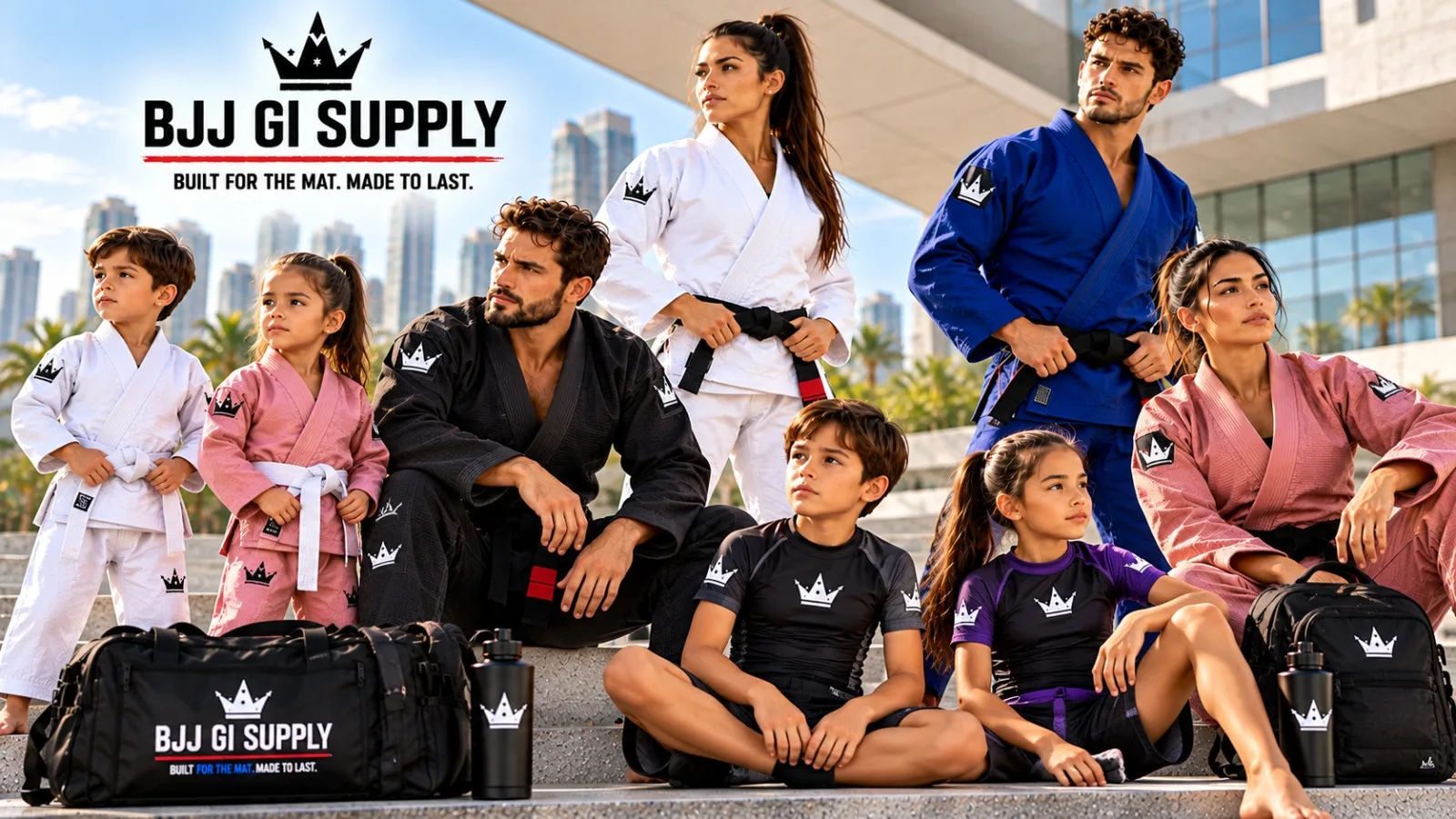
The right amount of stretch depends on the activity, fabric, and design of the garment. Some workouts require clothing that moves freely in every direction, while others need a firmer fit that provides stability and stays in place. Understanding these differences can help you choose better workout outfits and avoid common problems such as restricted movement, sagging fabric, and uncomfortable pressure.
When shopping for Sports Wears, it is helpful to understand how stretch works and how much flexibility different activities require. The goal is not simply to choose the stretchiest clothing available. Instead, you should look for a balance between elasticity, support, breathability, and shape retention. This guide explains how to find that balance, what fabrics to look for, and how to tell whether your workout clothing offers the right amount of flexibility.
Stretch in Workout Clothing
Stretch refers to a fabric's ability to expand when you move or apply pressure and then return to its original shape. This feature is especially important in workout clothing because exercise involves repeated movements, changes in body position, and different levels of physical effort.
A stretchy garment allows your muscles and joints to move naturally. It can help prevent pulling around the shoulders, knees, hips, and waist during exercise.
However, stretch is not the only factor that matters. Fabric thickness, softness, moisture management, and recovery also influence how clothing performs during a workout.
What Is Fabric Stretch?
Fabric stretch describes how much a material can extend beyond its original size. For example, a pair of leggings might expand comfortably when you bend your knees and return to its normal shape when you stand up.
Some fabrics stretch in two directions, usually lengthwise and crosswise. Others stretch in four directions, allowing greater flexibility across both dimensions.
Four-way stretch is particularly useful for activities involving twisting, bending, squatting, and reaching. However, two-way stretch may be sufficient for less demanding activities, depending on the garment's design.
Why Stretch Matters
The right amount of flexibility helps clothing move with your body rather than against it. It can reduce uncomfortable pulling, improve your range of motion, and help garments remain in place during exercise.
Good stretch also contributes to a better fit. Clothing that adapts to your movements can feel more comfortable during long training sessions.
On the other hand, excessive stretch without enough fabric recovery can cause garments to sag, lose their shape, or become less supportive over time.
How Much Stretch Should Sports Wears Have?
There is no single stretch percentage that works for every garment. The ideal amount depends on the sport, the fabric composition, and the level of support you need.
As a practical starting point, moderate stretch is often suitable for everyday training, while high stretch is useful for activities involving deep bends, large movements, and frequent changes in direction.
The following ranges are general guidelines for fabric extension, not universal industry standards. Actual performance depends on the material, knitting method, construction, and testing conditions.
These ranges are illustrative rather than strict buying rules. A garment with less measured stretch can still perform well if its pattern, seams, and fit accommodate the intended activity.
Low Stretch: When Is It Suitable?
Low-stretch clothing may work well for walking, light exercise, and relaxed everyday activities. It can also be useful in garments designed with a looser cut.
However, clothing with limited stretch may feel restrictive during deep squats, lunges, or overhead movements if the fit is too close to the body.
Before purchasing low-stretch Sports Wears, check whether the fabric allows you to perform the movements associated with your preferred activity.
Moderate Stretch: A Versatile Choice
Moderate stretch offers a useful balance between flexibility and stability. It is often appropriate for general gym workouts, resistance training, cycling, and everyday fitness activities.
This level of flexibility can help a garment maintain its structure without making movement uncomfortable.
For people who participate in several types of exercise, moderate-stretch clothing may provide a practical starting point.
High Stretch: Best for Extensive Movement
High-stretch fabrics are useful for yoga, Pilates, dance, gymnastics, and exercises that involve deep bending or twisting.
These materials can adapt to a wider range of body positions while helping clothing stay close to the body.
However, high stretch should not automatically mean better quality. A fabric that stretches easily but does not recover its original shape may become loose after repeated use.
Choosing Stretch According to Your Workout
Different activities place different demands on clothing. Understanding these demands helps you choose garments that feel comfortable throughout your exercise routine.
Running and Jogging
Running involves repeated leg movements, arm swings, and continuous changes in body position. Your clothing should allow these movements without excessive friction or bouncing.
Running tights and fitted tops often benefit from moderate-to-high stretch. Leggings should allow your knees and hips to move freely, while tops should provide enough flexibility around the shoulders.
Look for lightweight, breathable materials that manage moisture effectively. Clothing that stretches well but traps too much heat may become uncomfortable during longer runs.
Weightlifting and Strength Training
Strength training involves movements such as squats, deadlifts, presses, and lunges. These exercises require clothing that accommodates changes in body position without slipping or pulling.
Moderate-to-high stretch can work well for fitted gym leggings, shorts, and training tops.
The most important feature is controlled flexibility. Your clothing should allow a full range of motion while staying secure during each repetition.
Avoid garments that become transparent when stretched or place excessive pressure on your waist, thighs, or shoulders.
Yoga and Pilates
Yoga and Pilates involve controlled movements, balance, and extended body positions. Some poses require substantial flexibility around the hips, knees, shoulders, and waist.
For these activities, four-way stretch is often a helpful feature.
Leggings should move comfortably during forward folds, lunges, and seated poses. Tops should remain in place when you bend forward or raise your arms.
Well-designed Sports Wears for yoga also provide enough coverage and fabric recovery to prevent sagging during repeated stretches.
Cycling
Cycling clothing needs to accommodate repeated leg movements while reducing unnecessary fabric movement.
Cycling shorts often use stretch fabrics that fit close to the body. Their construction should support comfortable pedalling without creating excessive pressure around the thighs or waist.
Cycling jerseys may use a combination of flexible materials and fitted panels to improve comfort and reduce loose fabric.
Because cyclists may remain in one position for long periods, stretch should be combined with breathable construction and suitable padding where needed.
Team Sports and Outdoor Training
Football, basketball, tennis, and similar sports involve sudden movements, acceleration, and changes of direction.
Clothing should allow the hips, shoulders, and knees to move freely. Moderate-to-high stretch can be beneficial, especially in fitted training garments.
However, the ideal design depends on the sport. For example, tennis clothing may need greater freedom around the shoulders, while football shorts must accommodate fast running and kicking.
Choose fabrics that combine flexibility with durability because repeated movement, friction, and washing can gradually affect their performance.
Which Fabrics Provide the Best Stretch?
The material used to make workout clothing has a major influence on flexibility, comfort, and durability.
Polyester Blends
Polyester is widely used in workout clothing because it is lightweight, durable, and capable of managing moisture when designed appropriately.
Pure polyester does not always provide substantial stretch. Manufacturers often combine it with elastane or use fabric structures that create mechanical flexibility.
These blends can be suitable for running, gym workouts, and team sports.
Nylon and Elastane
Nylon is known for its smooth feel, strength, and abrasion resistance. When blended with elastane, it can produce a flexible fabric suitable for leggings, fitted tops, and training shorts.
Nylon-elastane blends are especially popular for clothing that needs to stretch repeatedly while remaining comfortable against the skin.
The exact performance depends on the proportions of each fibre and the fabric's construction.
Cotton Blends
Cotton is soft and comfortable, making it suitable for casual exercise and some gym activities.
However, cotton can absorb and retain moisture, which may make it feel heavy during intense workouts. Pure cotton also has limited elastic recovery unless its construction or fibre blend provides additional stretch.
Cotton blended with elastane may offer greater flexibility, although it may not perform like specialised technical fabrics during strenuous exercise.
Elastane Percentage
Elastane, also known as spandex or Lycra when referring to the relevant branded fibre, is commonly added to fabrics to improve elasticity.
A garment containing 5% elastane may provide useful stretch, but the percentage alone does not determine how flexible it feels.
For example, a tightly knitted fabric with 5% elastane may behave differently from a lightweight fabric containing the same amount.
When shopping for Sports Wear , consider the full fabric composition alongside the garment's fit, construction, and intended use.
How to Test Whether Your Clothing Has Enough Stretch
You do not need specialised equipment to perform a few simple checks before exercising.
The Squat Test
Put on your leggings or shorts and perform several controlled squats.
The fabric should move comfortably around your hips and knees. It should not pull excessively at the waistband, slide down, or create uncomfortable pressure.
Check for transparency when the material is stretched, especially if you plan to wear the garment for weightlifting or yoga.
The Reach Test
Raise your arms overhead, reach forward, and move your shoulders in different directions.
Your shirt should allow these movements without pulling tightly across your back, chest, or underarms.
If the hem repeatedly rides up or the sleeves restrict movement, you may need a different size or garment design.
The Recovery Test
Gently stretch a section of fabric and release it.
Good recovery means the material returns close to its original shape without remaining noticeably stretched or distorted.
This simple test cannot predict long-term durability with certainty, but it can help you identify fabrics that feel excessively loose or unstable.
The Comfort Test
Pay attention to how the garment feels around your waist, thighs, chest, and shoulders.
Clothing should feel secure without causing numbness, painful pressure, or restricted breathing.
Remember that a garment may feel comfortable while standing but become restrictive during exercise. Always consider how it performs during the movements you intend to do.
Common Mistakes to Avoid When Choosing Stretch
Even attractive workout clothing can perform poorly if the fabric and fit do not match your needs.
Choosing the Most Stretchy Fabric Automatically
More stretch does not necessarily mean greater comfort or quality.
A very stretchy garment may offer insufficient support or become loose after repeated use. Instead, choose the amount of flexibility needed for your activity.
Buying a Smaller Size for Compression
Some people purchase smaller clothing because they believe a tighter fit will provide better support.
However, excessive tightness can restrict movement, cause discomfort, and place unnecessary pressure on the body.
Compression garments should fit according to the manufacturer's sizing guidance. They should feel supportive rather than painful.
Ignoring Breathability
Stretch is only one part of workout comfort. Fabric that does not manage moisture well may feel unpleasant during intense exercise.
Consider breathability, drying time, and the weather in which you exercise.
Overlooking Seams and Waistbands
Even flexible fabric can become uncomfortable if seams are poorly positioned or waistbands are too restrictive.
Look for smooth seams, secure construction, and waistbands that remain in place during movement.
The best Sports Wears pakistan bjj gi manufacturer combine appropriate stretch with thoughtful design and durable stitching.
How to Maintain Stretch Over Time
Proper care can help your workout clothing retain its original shape and performance.
Follow the care label because washing instructions vary by fabric composition and garment design.
In general, washing with cool or lukewarm water and using a gentle detergent can help protect elastic fibres. Avoid excessive heat, which may damage elastane and reduce elasticity.
Whenever the care label permits, air-drying is a useful alternative to high-heat tumble drying.
Avoid using harsh chemicals or bleach unless the manufacturer specifically allows them. Store your clothing in a clean, dry place, and avoid leaving damp garments folded for long periods.
Over time, all fabrics experience wear. If your leggings become loose, your waistband no longer stays secure, or your clothing loses its ability to recover after stretching, it may be time to replace it.
Conclusion
The right amount of stretch depends on your exercise routine, personal comfort, and the construction of your clothing. Walking and light exercise may require only moderate flexibility, while yoga, Pilates, dance, and demanding gym sessions often benefit from fabrics that stretch in multiple directions.
When choosing Sports Wears, look beyond the stretch percentage printed on a label. Consider the fabric composition, fit, breathability, seam construction, and ability to return to its original shape. A garment should move naturally with your body without slipping, becoming transparent, or creating uncomfortable pressure.
Testing clothing with simple movements such as squats, overhead reaches, and gentle fabric stretching can help you judge whether it is suitable for your needs. It is also important to select the correct size rather than relying on tightness to provide support.
Finally, take proper care of your workout clothing to preserve its flexibility and durability. With the right combination of stretch, fit, and fabric quality, you can exercise more comfortably and confidently. The best choice is not necessarily the garment that stretches the most, but the one that provides the right balance of freedom, support, and long-lasting performance.